
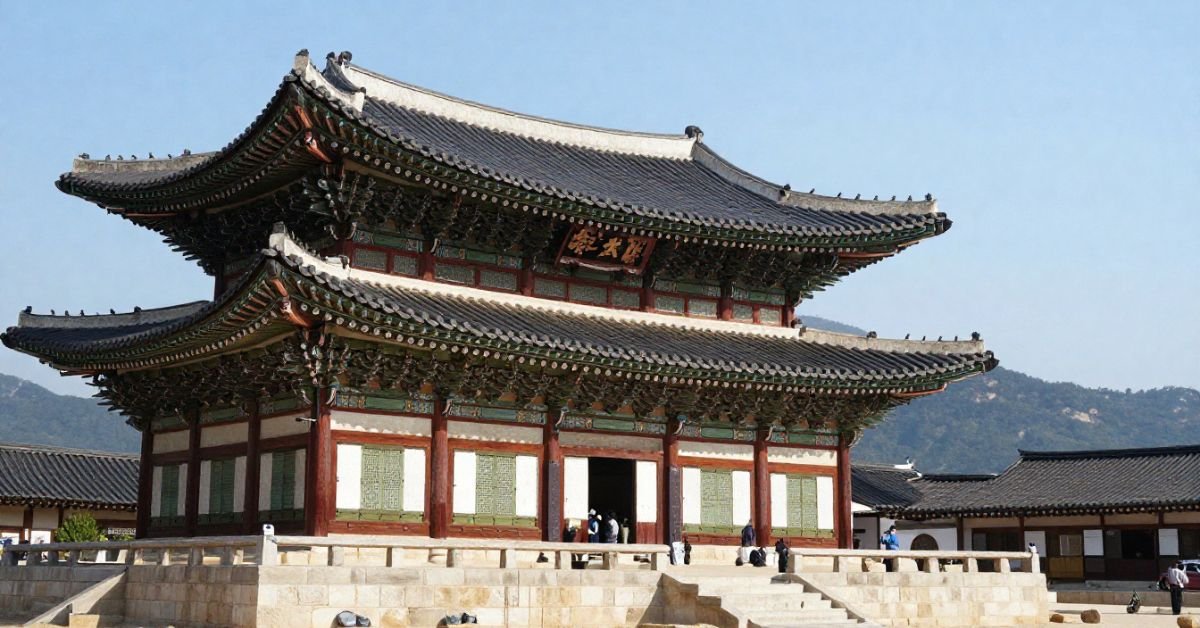
Choosing the best time to travel to Korea requires more than just looking at a weather app. South Korea is a land of dramatic seasonal shifts, where a two-week difference can mean the difference between shivering in a winter coat or walking through a blizzard of pink cherry blossom petals.
This guide moves beyond generic advice. We utilize local data, historical pricing trends, and regional micro-climate studies to help you pinpoint the exact week that aligns with your budget, comfort, and “bucket list” goals.
The “Sweet Spot” Strategy: Our Traveler Comfort Index
Most travel guides tell you that “Autumn is best.” While true, they don’t tell you that hotel prices in Seoul spike by 35% during the peak foliage weeks of late October.
To help you navigate this, we developed the Traveler Comfort Index (TCI). This index compares historical hotel pricing data from major hubs like Agoda and Booking.com against Seoul Metro congestion levels and climate stability.
The Value vs. Crowd Heatmap
| Period | Weather Quality | Crowd Density | Cost (Flights/Hotels) | Recommendation |
| Late March | 7/10 | High (Blossoms) | High | Best for Photography |
| Early June | 8/10 | Moderate | Moderate | The Sweet Spot |
| Late August | 4/10 | Moderate | Moderate | Avoid (Monsoon/Heat) |
| Early November | 9/10 | High (Foliage) | High | Best for Hiking |
| Late January | 3/10 | Low | Lowest | Best for Budget/Skiing |
Spring: Chasing the Pink (The Latitudinal Delay)
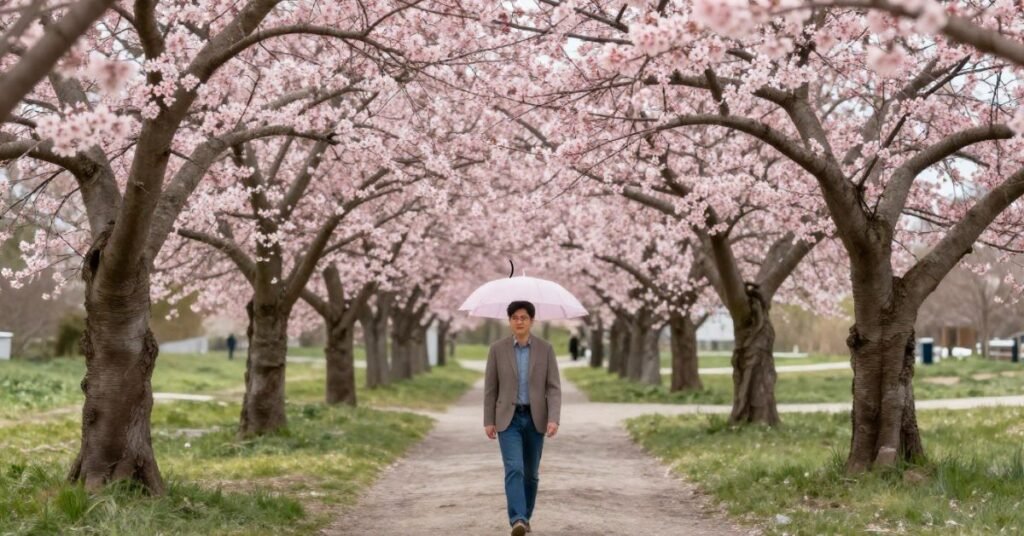
Spring is arguably the most famous time to visit, but it is also the most misunderstood. Travelers often book a trip to Seoul in late March only to find the trees are still bare.
Our Regional Micro-Climate Study highlights a phenomenon we call the “14-Day Latitudinal Delay.” Because South Korea is a peninsula with varying elevations, the “spring” moves from South to North.
The “Chasing the Pink” Itinerary
If you miss the peak bloom in one city, don’t panic. You can “chase” the blossoms by moving north.If your goal is to see the world-famous cherry blossoms, then late March to early April is undoubtedly the best time to travel to Korea for photography lovers.
- Stage 1 (Late March): Start in Jeju Island. Being the southernmost point, the king blossoms bloom here first.
- Stage 2 (Early April): Move to Busan and Jinhae. The Jinhae Gunhangje Festival is the largest in the country.
- Stage 3 (Mid-April): End in Seoul and Incheon. High-elevation spots like Namsan Tower bloom even later than the city streets.
What to Pack for Spring
The “Yellow Dust” (fine seasonal dust) often peaks in spring. Carry KF94 masks and wear light layers. Temperatures fluctuate wildly between a sunny afternoon (18°C) and a chilly evening (5°C).
Summer: Navigating the “Jangma” (Monsoon)
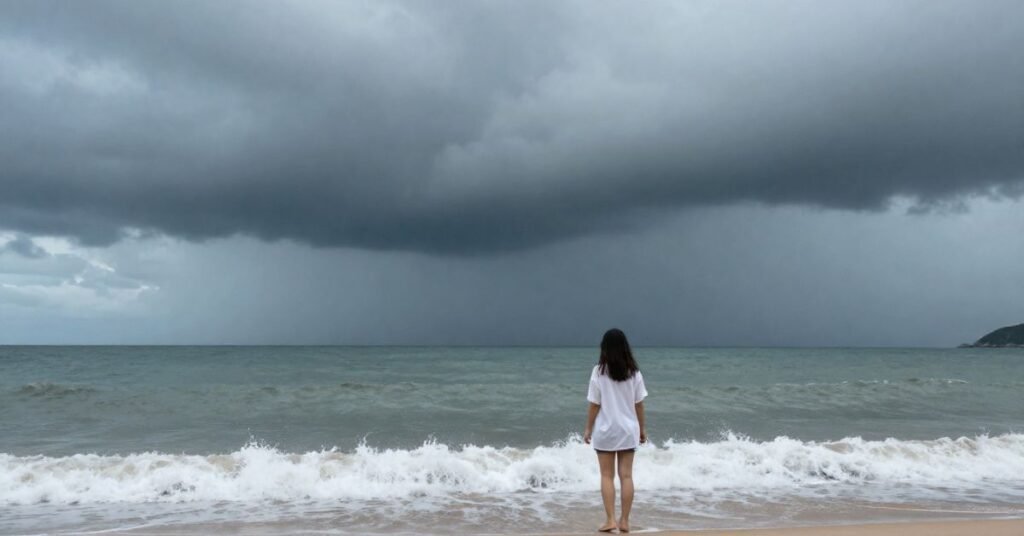
Summer in Korea is a test of endurance. July and August bring the Jangma (monsoon season), characterized by heavy, unpredictable downpours and humidity levels that frequently exceed 80%.
Survival Tips for Summer Travelers
- The Mall Culture: During the “Jangma,” pivot your itinerary to underground shopping centers like Goto Mall or the COEX Mall in Gangnam.
- Beach Season: If you visit in August, head to Haeundae Beach in Busan. Note that Korean beaches have strict “opening” and “closing” dates for swimming (usually July 1 to late August).
- The Rain Benefit: The mountains are never greener than after a summer storm. If you don’t mind the humidity, the waterfalls in Seoraksan National Park are at their most powerful.
Autumn: The Golden Window for Hikers
If you ask a local for the best time to visit Korea, they will almost always say October. The air is crisp, the sky is a deep “Seoul Blue,” and the mountains turn vibrant shades of red and orange.
Why Early November is the “Hidden Gem”
While October gets the most marketing, the first week of November often provides the best value.
- Data Insight: By early November, the “peak” foliage crowds at Naejangsan National Park begin to thin, but the city parks in Seoul (like Olympic Park) are just reaching their golden peak.
- Lower Costs: Hotel rates typically drop by 15-20% the moment the calendar turns from October to November.
Winter: Snow, Spas, and Savings
Winter (December to February) is freezing. Temperatures in Seoul can drop to -15°C with biting winds from Siberia. However, for the savvy traveler, this is the most rewarding time for the wallet.For those traveling on a budget, the best time to travel to Korea is during the winter months (January and February) when flight prices and hotel rates are at their lowest.
Unique Winter Methodologies
Don’t just hide in your hotel. Experience the “Jimjilbang Culture.” * Strategy: Spend your coldest days at a large-scale Korean spa like Dragon Hill Spa or Cimer at Paradise City. It is the most authentic way to stay warm while experiencing local life.
- Skiing: Gangwon-do province (PyeongChang) offers world-class skiing just 2 hours from Seoul. Since it is the “off-season” for general tourism, you can find luxury ski-in/ski-out resorts for a fraction of European or US prices.
The Lunar Holiday Survival Matrix
Traveling during Seollal (Lunar New Year) or Chuseok (Mid-Autumn Festival) requires a specific strategy. During these times, millions of Koreans travel to their hometowns, turning the highways into parking lots.
What Stays Open?
We analyzed the operational patterns of major districts during the 3-day Chuseok holiday:
| District / Attraction | Status during Holidays | Best Strategy |
| Palaces (Gyeongbokgung) | OPEN | Often free entry; great for photos in Hanbok. |
| Traditional Markets | CLOSED | Avoid Namdaemun; most stalls close for 2+ days. |
| Itaewon / Hongdae | OPEN | These international hubs stay active for younger crowds. |
| Malls (Lotte/Hyundai) | PARTIAL | Usually closed on the actual day of the holiday only. |
Essential Travel Logistics for 2026
Before you fly, ensure your paperwork is in order.
- K-ETA: Ensure you apply for your Korea Electronic Travel Authorization (K-ETA) at least 72 hours before departure. Even if your country has a waiver, check the 2026 status as regulations evolve.
- Connectivity: Do not rely on public Wi-Fi. Rent a portable Wi-Fi “egg” or purchase an eSIM at Incheon Airport.
- Navigation: Google Maps does not work for walking/driving directions in Korea due to security laws. Download Naver Maps or KakaoMap.
Conclusion
South Korea is a masterpiece of seasonal diversity. If you want the iconic pink vistas, aim for the first week of April in Seoul, but be prepared for the crowds. If you want the absolute best weather with manageable prices, late May or early June is your winning window.
No matter when you visit, Korea’s blend of ancient tradition and futuristic technology ensures an unforgettable experience. Use our Latitudinal Delay strategy to find the blossoms, or our Holiday Survival Matrix to navigate the festivals, and you will experience the peninsula like a local expert.In short, the best time to travel to Korea depends entirely on your personal preferences, whether you crave the golden leaves of autumn or the snowy peaks of Gangwon-do.
FAQs
What is the cheapest month to fly to Korea?
Generally, late January and February are the cheapest months. The extreme cold keeps tourist numbers low, leading to significant discounts on airfare and accommodation.
When can I see the Cherry Blossoms in 2026?
While it varies by year, the forecast typically suggests March 25th for Jeju and April 3rd–10th for Seoul. Always check the official KMA (Korea Meteorological Administration) forecast in February.
Is it worth visiting Korea during the monsoon season?
Only if you enjoy indoor activities. While the rain brings lush greenery, the high humidity can make outdoor sightseeing uncomfortable. However, travel costs are lower, and major attractions are less crowded.
How far in advance should I book for Autumn?
For the peak foliage weeks (mid-to-late October), book your hotels at least 4 to 6 months in advance. The most popular areas near Seoraksan and Bukchon Hanok Village sell out rapidly.
