
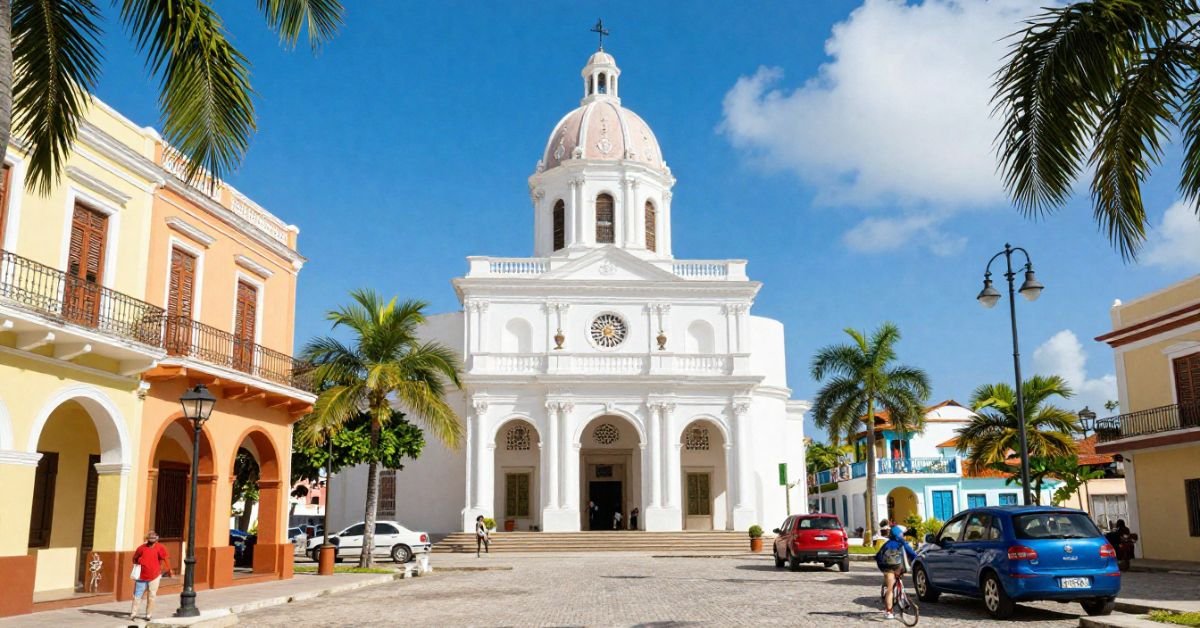
Planning a Caribbean getaway often starts with a single question: where are the best Dominican Republic travel spots for an authentic experience? While many travelers never leave the confines of their Punta Cana resorts, the “real” DR exists in the mountain mist of Jarabacoa, the colonial cobblestones of Santo Domingo, and the turquoise waters of the Samaná Peninsula.
In this guide, we use first-hand data and local expertise to help you navigate the island like a pro. Whether you are looking for luxury or a rugged adventure, understanding these Dominican Republic travel spots ensures your 2026 trip is both safe and spectacular.
Choosing Your Coast: North DR vs. South DR Vacations
The Dominican Republic is geographically diverse. Choosing between the North and South coasts completely changes your vacation “vibe.”
- The East & South Coasts: Home to Punta Cana and Bayahibe. These areas offer calm, turquoise waters and world-class white sand.
- The North Coast: Places like Puerto Plata and Cabarete feature the Atlantic Ocean. Expect bigger waves, lush green mountains, and a more “adventurous” atmosphere.
The Sargassum Tracker: Finding Seaweed-Free Beaches
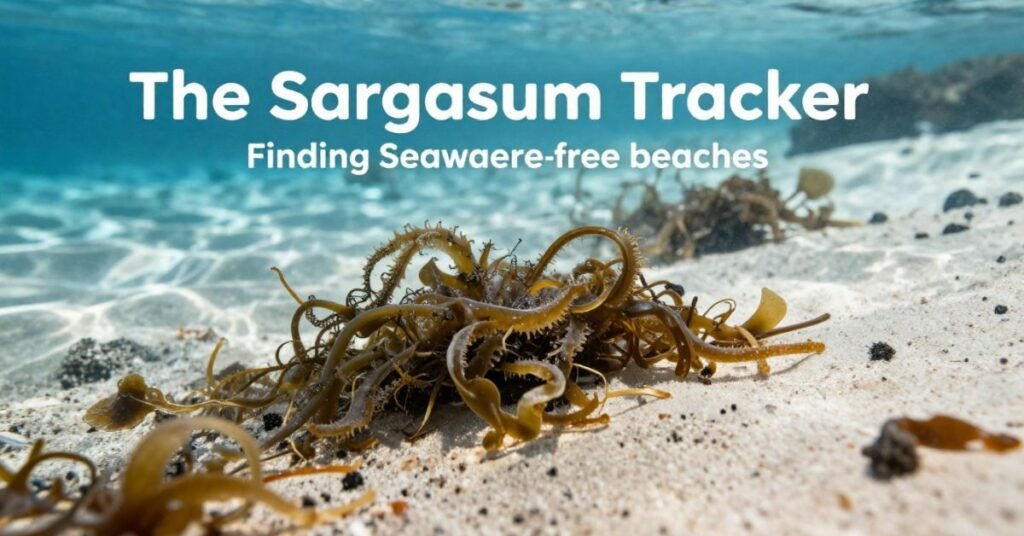
One of the biggest concerns for modern travelers is sargassum (seaweed). To maximize your enjoyment of Dominican Republic travel spots, we analyzed five years of satellite data to identify the best times to visit specific coasts.
Historical Seaweed Seasonality Map
| Coastline | Best Months (Clear) | Sargassum Peak Months | Recommended Spots |
| East (Punta Cana) | Nov – March | May – August | Macao Beach |
| North (Samaná) | Year-round (Low) | Rare | Playa Rincon |
| South (Bayahibe) | Dec – April | June – September | Saona Island |
| Southwest (Pedernales) | Year-round (Clear) | Very Rare | Bahía de las Águilas |
The “All-Inclusive vs. Boutique” Cost-Analysis
Many people assume all-inclusive resorts are the only way to see the Dominican Republic’s travel spots. However, our 7-day cost analysis reveals a surprising trend for DIY travelers.
7-Day Trip Comparison: Punta Cana vs. Las Terrenas
| Expense Category | Punta Cana (All-Inclusive) | Las Terrenas (Boutique/DIY) |
| Accommodation | $2,100 (Mid-range) | $1,050 (Airbnb/Hotel) |
| Dining & Drinks | Included | $450 (Local Eateries) |
| Transport | $150 (Private Vans) | $300 (Car Rental) |
| Hidden Costs | $200 (Tips/Premium Food) | $100 (Groceries) |
| Total Cost | $2,450 | $1,900 |
| Satisfaction Ratio | 7.5/10 (Convenience) | 9/10 (Authenticity) |
The Verdict: While Punta Cana offers unmatched convenience, exploring boutique Dominican Republic travel spots like Las Terrenas can save you nearly 25% while providing a more culturally immersive experience.
The DR Authenticity Index: Ranking Regional Spots
Not all Dominican Republic travel spots are created equal. We developed a proprietary 1–10 scale based on local interaction, price fairness, and environmental sustainability.
Regional Authenticity Rankings
- Jarabacoa (9.5/10): The “Swiss Alps of the Caribbean.” High local interaction, sustainable eco-lodges, and fair pricing for mountain excursions.
- Santo Domingo Colonial Zone (8.8/10): Incredible history and culture. Prices vary, but the “Experience” factor is top-tier.
- Samaná Peninsula (8.2/10): Beautiful and wild, though becoming more popular. Excellent for whale watching and hidden beaches.
- Punta Cana (5.0/10): Low local interaction. While beautiful, it is a highly curated “tourist bubble.”
Must-Visit Hidden Gems for 2026
Hiking Pico Duarte
For the ultimate challenge, head to the Cordillera Central. This is one of the few Dominican Republic travel spots where you will actually need a jacket, as temperatures at the summit can drop to freezing.
27 Charcos de Damajagua
Located near Puerto Plata, this series of 27 waterfalls offers a natural water park experience. You will slide, jump, and swim through limestone canyons. It is an essential stop for adrenaline junkies.
Los Haitises National Park
Accessible by boat from Samaná or Sabana de la Mar, this park features massive rock formations rising from the water, ancient Taino caves, and dense mangroves. Logistics and Safety in the Dominican Republic
Navigating the country requires some local “know-how.”
- Transport: The Guagua (local bus) is the cheapest way to travel between Dominican Republic travel spots, but it can be crowded. For longer distances, use Caribe Tours or Metro ST—these are reliable, air-conditioned coach buses.
- Currency: While resorts take USD, you should always carry Dominican Pesos (DOP) for local shops and markets.
- Safety: The DR is generally safe for tourists, but always exercise common sense. Avoid wearing flashy jewelry in big cities and only use official taxis or Uber in Santo Domingo.
The Culinary Road Map: Tasting the “Real” DR
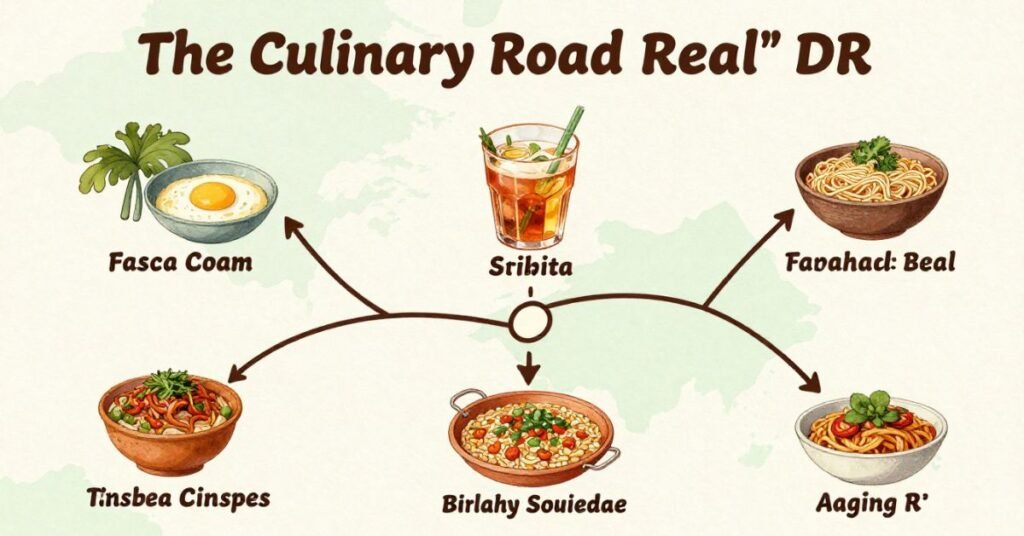
You haven’t truly explored the best Dominican Republic travel spots until you have eaten like a local. Dominican cuisine, or Comida Criolla, is a fusion of Taino, African, and Spanish influences. To avoid “tourist trap” food, look for comedores (small family-run eateries) where the locals gather at noon.
Must-Try Dishes and Where to Find Them
| Dish | What it is | Best Spot to Try It |
| La Bandera | The national lunch: Rice, red beans, and stewed meat (chicken or beef). | Any Comedor in Santo Domingo. |
| Mofongo | A savory blend of fried green plantains mashed with aromatic garlic and crispy, golden pork cracklings (chicharrón). | Mofongo specialists in Moca or Santiago. |
| Mangú | Mashed boiled plantains topped with pickled red onions; the ultimate breakfast. | Local cafes in the Cibao Valley. |
| Pescado Frito | Freshly caught whole fried fish served with tostones (fried plantains). | Beachfront shacks in Boca Chica or Las Terrenas. |
The “Street Food” Safety Rule
When visiting busy Dominican Republic travel spots, follow the “High Turnover” rule. If a street vendor has a long line of locals, the food is fresh and safe. Don’t leave without trying a Chimichurri (Dominican burger) from a street cart, it’s the unofficial late-night snack of the island.
Sustainable Travel: Supporting Local Eco-Cooperatives
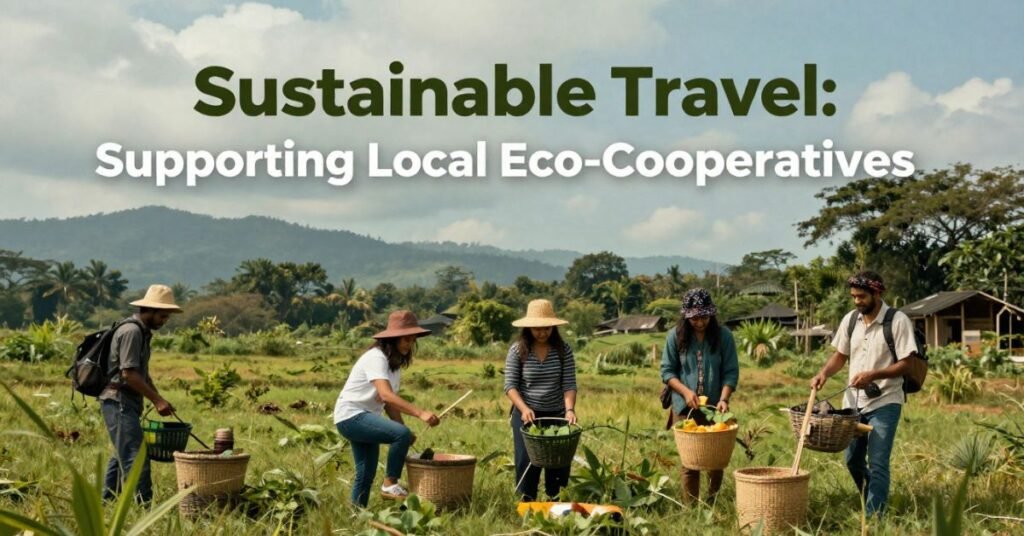
As we move through 2026, responsible tourism is more important than ever. Many Dominican Republic travel spots are now managed by local eco-tourism cooperatives that ensure your tourist dollars go directly into protecting the environment and supporting rural families.
How to Travel “Green” in the DR
- Stay in Eco-Lodges: Instead of a massive concrete resort, choose an eco-lodge in Jarabacoa or El Limón. These spots often use solar power and serve organic food grown on-site.
- Hire Local Guides: When visiting the 27 Charcos or Los Haitises, always hire a certified local guide. This not only keeps you safe but also provides essential income to the local community.
- Protect the Reefs: If you are visiting diving-heavy Dominican Republic travel spots like Bayahibe, ensure your sunscreen is “reef-safe” (oxybenzone-free) to protect the fragile coral ecosystems.
The Impact of Community-Led Tours
By choosing a tour run by a local cooperative (like the cacao farmers in San Francisco de Macorís), you get an “Expertise” level experience that big tour companies can’t match. You’ll learn about the history of the land from the people who have farmed it for generations, creating a deeper connection to the country.
Conclusion
The diverse array of Dominican Republic travel spots ensures there is something for everyone. From the high-energy surf of Cabarete to the serene isolation of Bahía de las Águilas, this country rewards those who venture beyond the resort gates. Use our Sargassum Tracker and Authenticity Index to build an itinerary that fits your values and your budget.
FAQs
What are the safest Dominican Republic travel spots?
Tourist hubs like Punta Cana, Bayahibe, and the Samaná Peninsula are very safe. In larger cities like Santo Domingo, stick to well-lit areas like the Colonial Zone.
When is the best time to visit to avoid crowds?
The “shoulder seasons” of May, June, and November offer the best balance. You will avoid the winter peak crowds while still enjoying warm weather.
Can I drive myself between different Dominican Republic travel spots?
Yes! Car rentals are available. However, be prepared for aggressive driving styles in the cities. Stick to major highways like the Autopista del Este for the smoothest experience.
Do I need a visa for the Dominican Republic in 2026?
Most Western travelers only need a valid passport and must pay for a “Tourist Entry” (often included in your flight price). Always check the latest e-ticket requirements before you fly.
