
Introduction:
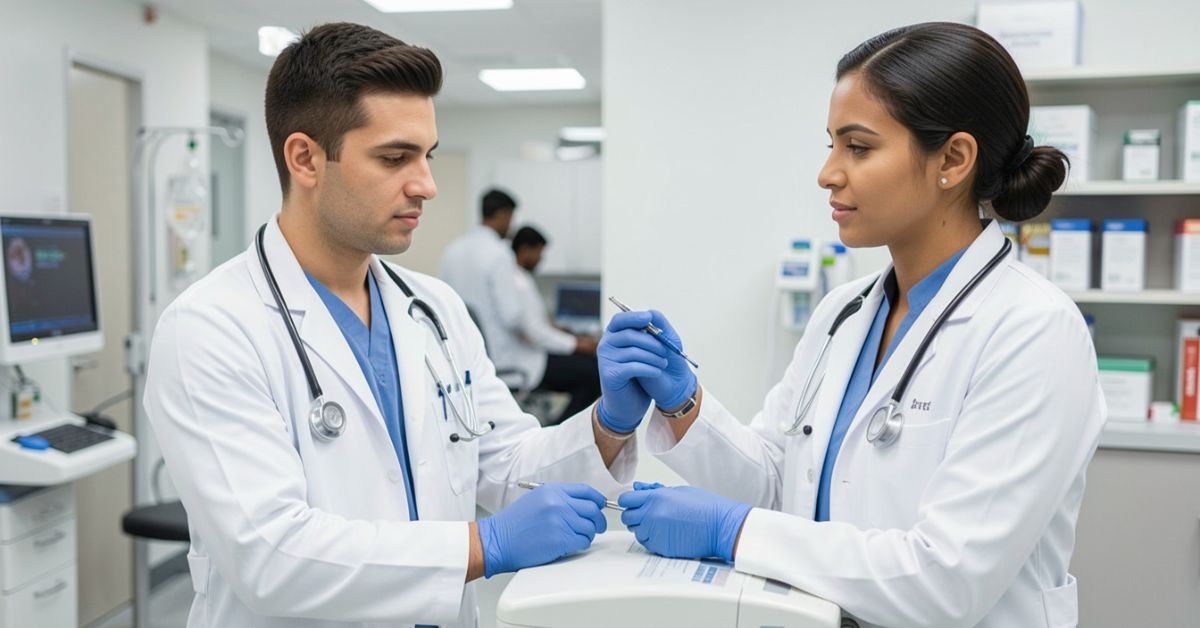
A travelling phlebotomist plays an important role in modern healthcare by collecting blood samples from patients in different locations. Instead of working in one hospital or clinic, a [insert profession] visits laboratories, nursing homes, private residences, and healthcare facilities to perform blood draws. This flexible career allows professionals to work in multiple environments while helping doctors diagnose and monitor medical conditions.
Many healthcare organisations now rely on mobile phlebotomy jobs to provide convenient testing services for patients who cannot visit laboratories. As a result, the demand for skilled travelling phlebotomists continues to grow. Professionals in this field must combine strong clinical skills with careful specimen handling, patient communication, and strict safety practices.
In this guide, you will learn what a does, how to start this career, salary expectations, required certification, and the essential equipment used in mobile phlebotomy. This information will help you understand whether a traveling phlebotomy career fits your professional goals.
What Is a Traveling Phlebotomist?
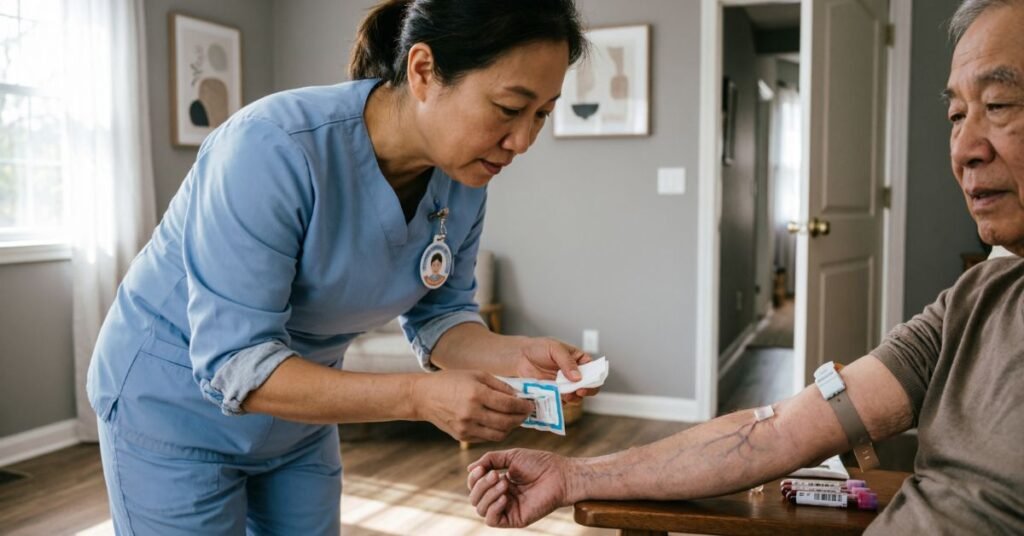
A traveller collects blood samples from patients in multiple locations instead of working in a single clinic or hospital. Hospitals, diagnostic labs, and home health services hire travelling professionals to perform blood draws whenever patients need them.
Traveling Phlebotomist Salary and Financial Benefits
A nurse often earns higher pay than a traditional clinic phlebotomist. Travel contracts frequently include stipends, housing allowances, and travel reimbursements.
Travelling Salary Breakdown
| Experience Level | Hourly Pay | Estimated Annual Salary |
| Entry-Level Traveling Phlebotomist | $18 – $24 | $37,000 – $48,000 |
| Mid-Level Traveling Phlebotomist | $25 – $32 | $50,000 – $65,000 |
| Experienced Traveling Phlebotomist | $33 – $45 | $70,000 – $90,000+ |
Travelling Stipends and Tax-Free Benefits
Travel agencies often provide additional financial incentives.
| Benefit | Description |
| Housing Stipend | Weekly allowance for accommodation |
| Travel Reimbursement | Covers mileage or airfare |
| Meal Stipend | Daily food allowance |
| Tax-Free Income | Certain stipends qualify as tax-free payments |
How to Become a Traveling Phlebotomist
Anyone interested in becoming a must complete training, certification, and clinical experience.
Steps to Start a Travelling Career
| Step | Action |
| 1 | Complete a phlebotomy training program |
| 2 | Gain clinical practice experience |
| 3 | Obtain professional certification |
| 4 | Work in a hospital or laboratory |
| 5 | Apply for traveling phlebotomist contracts |
Traveling Phlebotomist Equipment: Essential Mobile Toolkit
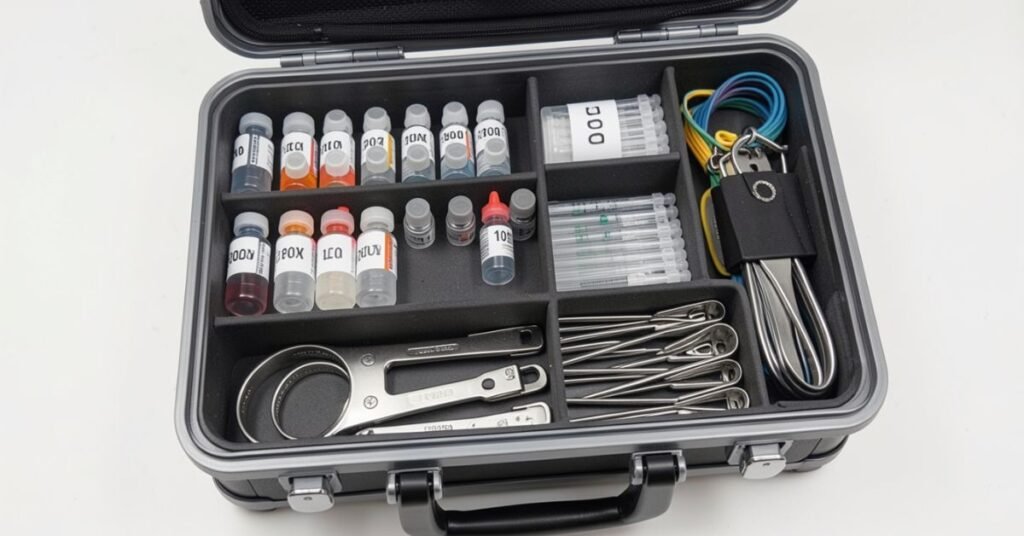
Everyone must carry professional tools to perform safe blood draws outside clinical laboratories.
| Equipment | Purpose |
| Butterfly Needles | Help access fragile veins |
| Vacutainers | Collect blood samples safely |
| Portable Centrifuge | Separate plasma during transport |
| Sharps Container | Dispose of needles safely |
| Biohazard Bags | Store contaminated materials |
| Cooler with Ice Packs | Maintain specimen temperature |
Traveling Phlebotomist Specimen Transport and Cold Chain Protocol
A must maintain specimen quality while transporting blood samples to the laboratory.
Cold Chain Checklist for Traveling Phlebotomists
| Step | Purpose |
| Label samples immediately | Prevent identification errors |
| Use insulated containers | Maintain safe temperatures |
| Monitor transport time | Protect specimen integrity |
| Deliver samples quickly | Avoid lab rejection |
Even a 2-degree temperature change inside a transport container can damage blood samples.
Traveling Phlebotomist Safety When Performing Home Blood Draws
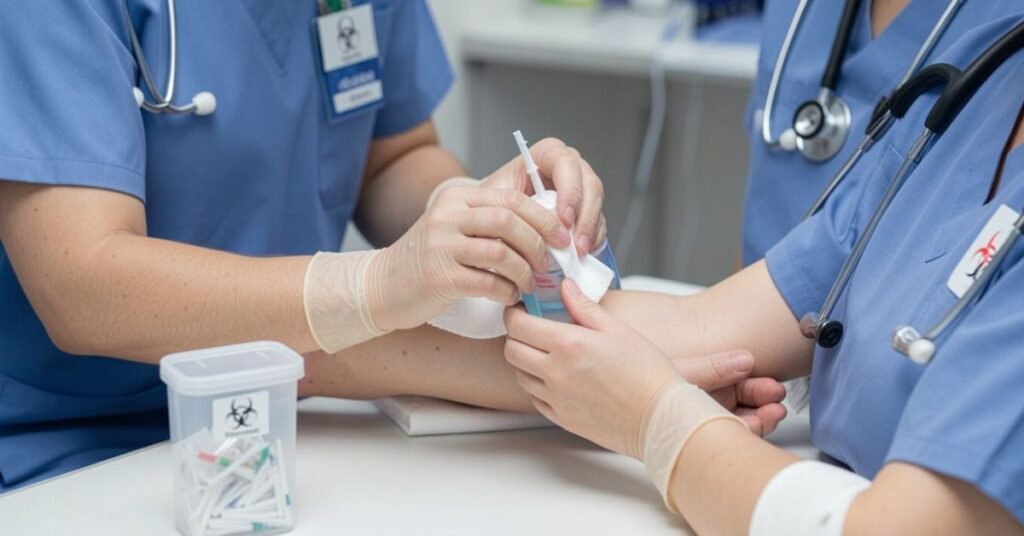
Many travelling phlebotomists perform home-based blood draws, so they must follow strict safety procedures.
The 3-Point Safety Scan for Traveling Phlebotomists
- Verify the patient’s identity.
- Assess the environment for hazards.
- Create a sterile workspace before starting the procedure.
How to Find the Best Traveling Phlebotomist Contracts
A usually finds assignments through healthcare staffing agencies.
Travelling Contract Evaluation Matrix
| Factor | What to Review |
| Pay Structure | Hourly vs stipend packages |
| Travel Support | Mileage or flight reimbursement |
| Insurance Coverage | Professional liability protection |
| Contract Duration | Many contracts last 13 weeks |
Conclusion:
The traveling career offers flexibility, competitive pay, and opportunities to work in many healthcare environments. Professionals who enjoy independence, patient interaction, and travel often build successful careers in mobile phlebotomy.
With the right certification, equipment, and experience, you can start a rewarding career as a phlebotomist and contribute to modern healthcare services.
FAQs
What does a travelling phlebotomist do?
A traveller collects blood samples from patients in hospitals, clinics, nursing homes, or private residences and transports them to laboratories for testing.
How much does a travelling phlebotomist make?
A traveller typically earns between $50,000 and $90,000 per year, depending on experience, contract terms, and location.
What equipment does a travelling phlebotomist need?
A traveller usually carries butterfly needles, vacutainers, tourniquets, alcohol swabs, portable centrifuges, sharps containers, and specimen transport coolers.
