
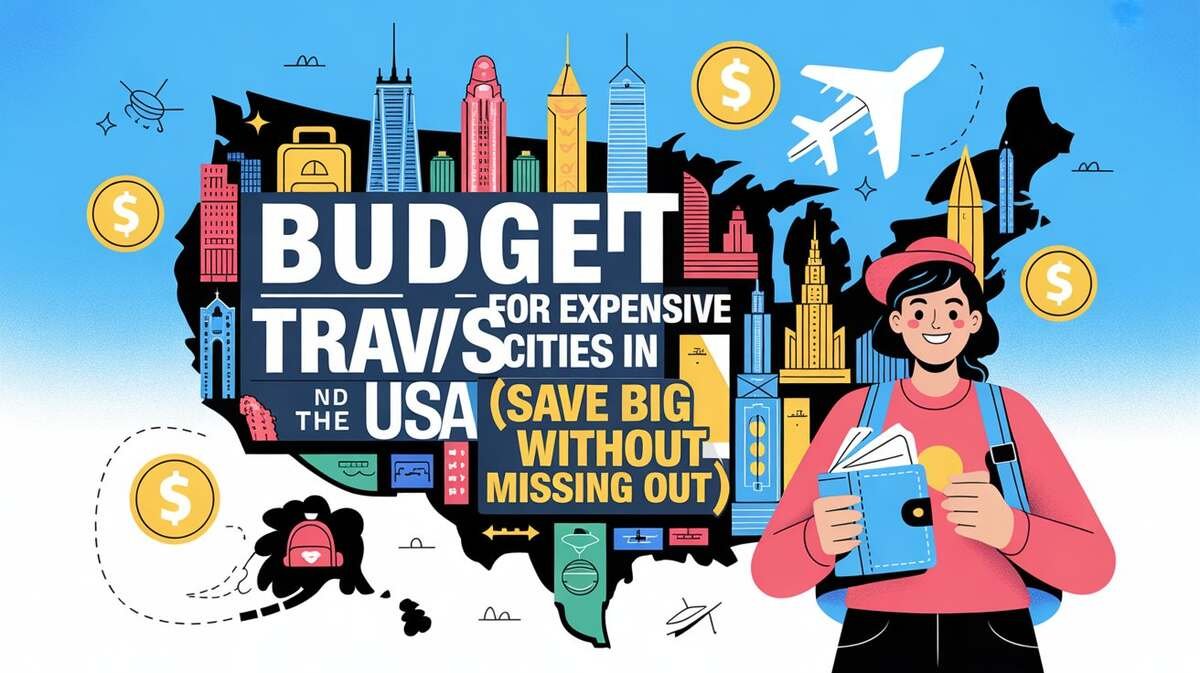
I can still recall my very first visit to New York. I arrived with what I thought was a comfortable budget, but within just two days, I had already spent more than half of it on a small hotel room, expensive meals, and unnecessary transport. That experience taught me a hard truth. Traveling in major U.S. cities can quickly drain your money if you do not plan smartly.
The good news is that you do not need a huge budget to enjoy these cities. You just need the right strategy.
After visiting multiple high-cost destinations and learning from my mistakes, I discovered what actually works. These budget travel tips for expensive cities in the USA are based on real experiences, practical decisions, and proven ways to cut costs without missing out on the experience.
If you are planning to visit cities like New York, Los Angeles, or San Francisco, this guide will help you save money, travel smarter, and enjoy more without constantly worrying about your budget.
Why Traveling in Expensive US Cities Feels So Costly
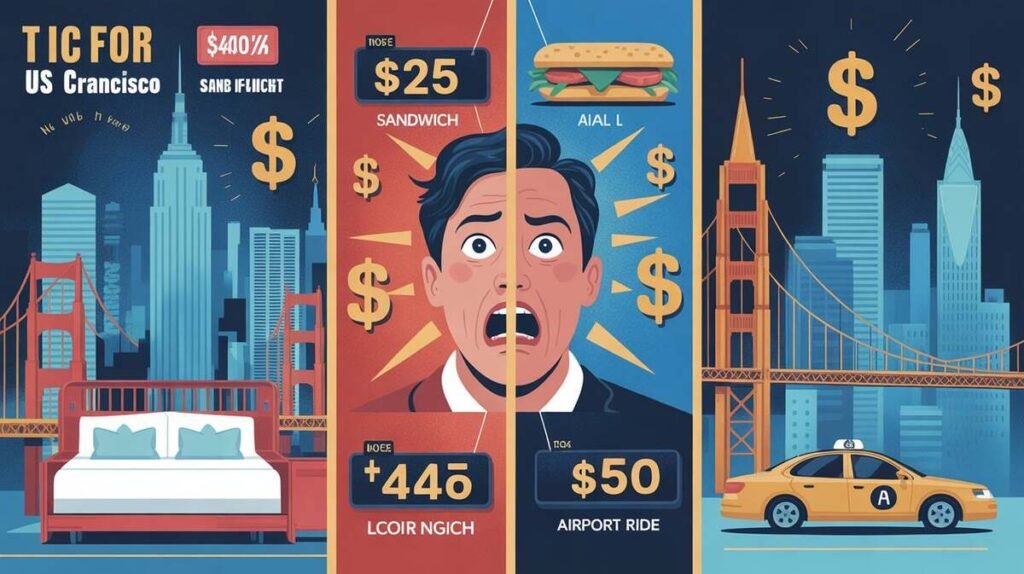
When I started traveling to major U.S. cities, I quickly realized that the high costs are not accidental. Everything is designed in a way that makes visitors spend more.
One of the biggest reasons is how expensive the cost of living is.Cities like New York, Los Angeles, and San Francisco are already expensive for locals, so tourists often end up paying even more for hotels, food, and transport.
Another major factor is location. Hotels and restaurants near popular attractions charge premium prices. I made this mistake myself by eating in tourist areas, where I paid almost double for basic meals.
Transportation also adds up quickly. Using taxis and ride-sharing apps may feel convenient, but it can drain your budget faster than expected.
Once I understood where my money was going, it became much easier to control my spending and make smarter travel decisions.
My Experience Traveling on a Budget in Expensive Cities
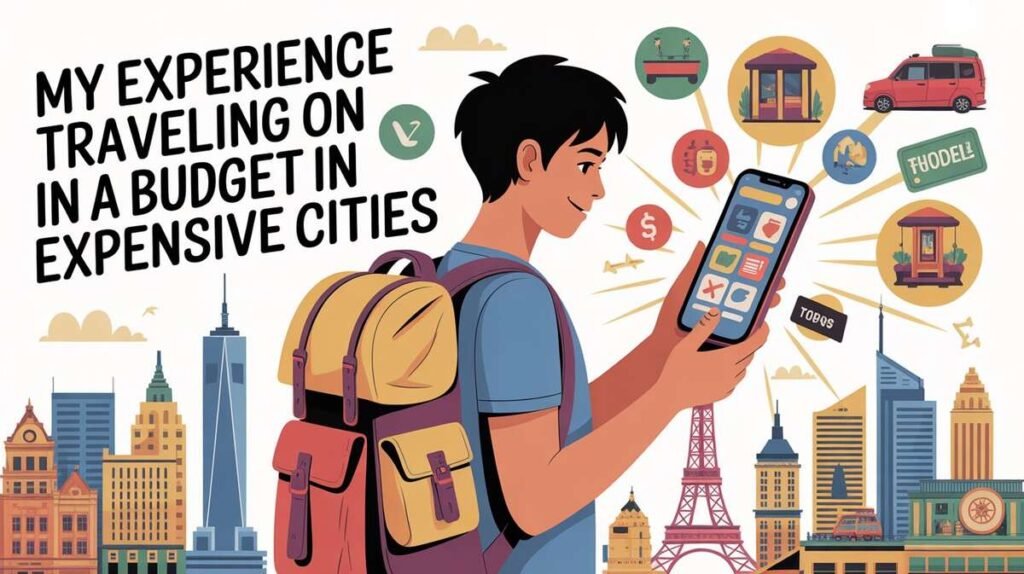
On my second trip to the United States, I decided to do things differently. I did not increase my budget. Instead, I changed my strategy.
In New York, I skipped expensive hotels in Manhattan and stayed in a shared space in Brooklyn. It was not only cheaper but also gave me a more local experience. I saved a significant amount without sacrificing comfort.
In Los Angeles, I avoided daily ride-sharing and started using public buses and metro lines. At first, it felt confusing, but within a day, it became easy. By the end of the trip, I realized I had saved more on transport than I expected.
Food was another area where I learned quickly. Instead of eating at tourist-heavy spots, I looked for local places and small food joints. Not only was the food more authentic, but it was also much more affordable.
One of my best decisions was focusing on free and low-cost activities. Walking tours, public parks, street performances, and free museum days helped me experience the cities without constantly spending money.
What surprised me the most was this. Traveling on a budget did not reduce my experience. In many ways, it actually improved it. I explored more, interacted with locals, and avoided the usual tourist traps.
That is when I realized that smart planning matters more than a big budget. Once you understand how to spend wisely, even the most expensive cities become affordable.
For more travel guides and smart budget travel tips, you can explore detailed resources on : https://sightsaround.com/”
Smart Budget Travel Tips for Expensive Cities in the USA
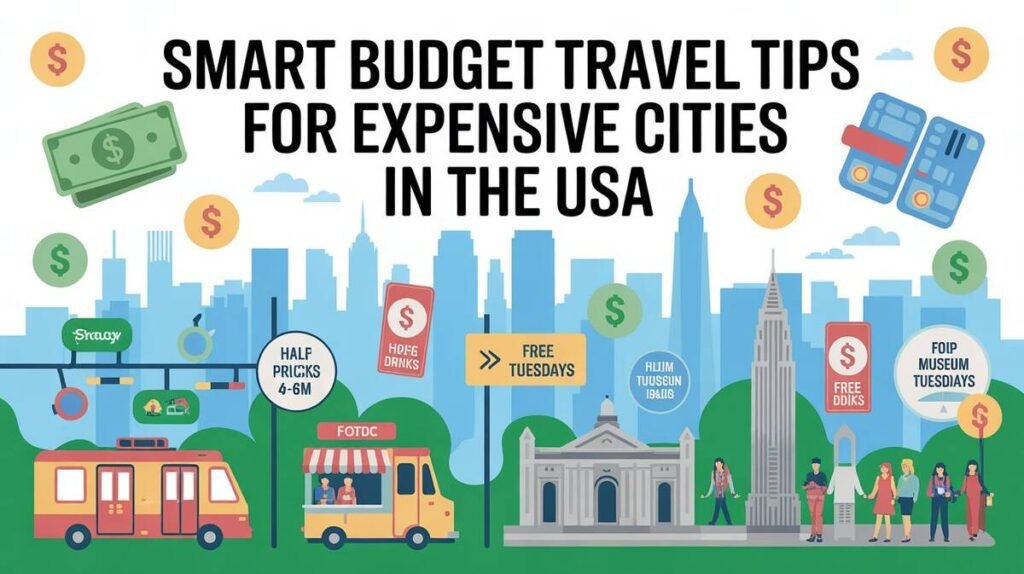
Saving money in expensive cities is often seen as giving up the things you enjoy. I used to think that way too, until I realized something different. It is not about cutting everything out, but about making better choices. Sometimes, even a small adjustment can lead to significant savings.
For example, I stopped booking hotels in the most popular areas and looked just a few stops away on the metro. The price dropped almost instantly, but my travel time barely changed. It felt like I had discovered a hidden trick that most tourists ignore.
The same thing happened with food. The moment I moved away from crowded tourist streets, I started finding better meals at lower prices. It made me question how much money I had wasted before without even realizing it.
But the biggest shift came when I planned my days differently. Instead of randomly visiting places, I grouped nearby attractions together and walked more. Not only did I save on transport, but I also experienced the city in a more real way.
What really surprised me was that it never felt like I was giving anything up. If anything, the experience actually improved. Once I got the hang of this approach, managing my budget became much easier. In the next section, I will share the exact methods I used to save money while still enjoying everything.
Book Smart, Not Early

I used to think booking everything early always saves money. That is not always true. In expensive U.S. cities, prices keep changing, and sometimes waiting or choosing flexible dates gives better deals.
One trick that worked for me was comparing prices on different days and avoiding weekends. Flights and hotels were noticeably cheaper, even with a small date change.
Once I stopped rushing my bookings and started planning smartly, I saw an instant difference in my overall travel cost.
or more insights on how the travel industry works, you can also read this guide on how travel agents get paid: https://sightsaround.com/how-do-travel-agents-get-paid/
Use Public Transport Like a Local
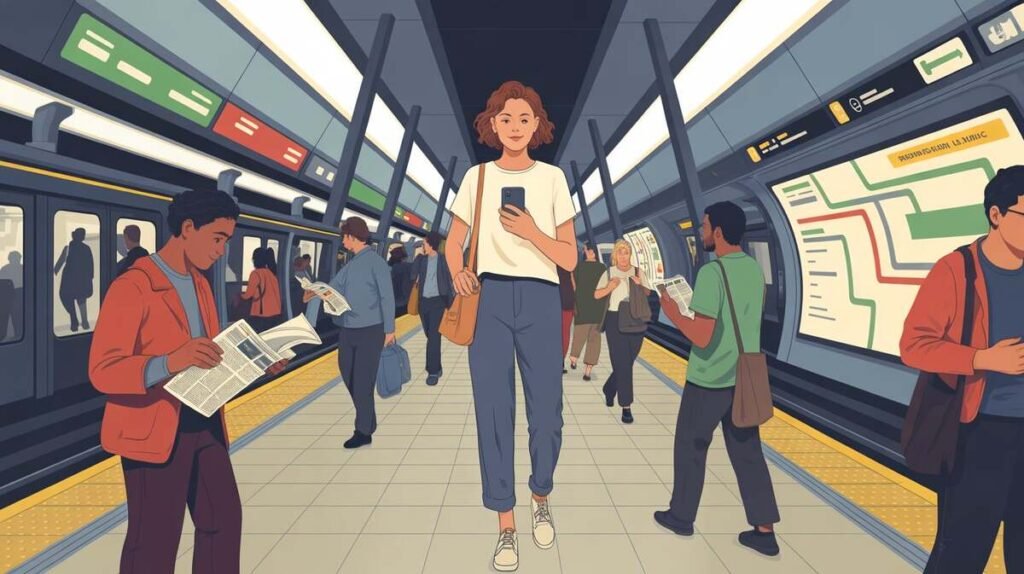
One of the biggest mistakes I made in expensive U.S. cities was relying too much on taxis and ride-sharing apps. It felt easy at first, but the costs added up faster than I expected.
Later, I switched to public transport, and everything changed. In cities like New York and San Francisco, the metro and bus systems are not only affordable but also very efficient once you understand them.
I still remember my first full day using only public transport. I reached every major spot I planned, but spent a fraction of what I used to pay earlier. It felt like unlocking a hidden layer of the city that most tourists ignore.
Eat Where Locals Eat, Not Where Tourists Go
Food was another area where I was overspending without realizing it. In the beginning, I used to eat near popular attractions, thinking it was part of the experience. But the prices were always high and the quality was average.
Later, I started exploring small local spots a few streets away. The difference was huge. The food was better, portions were bigger, and prices were almost half.
This small change alone made a noticeable impact on my daily budget and also gave me a more authentic experience of the city.
Find Free Experiences Everywhere
At first, I thought expensive cities meant expensive experiences. But I was completely wrong.
Some of my best memories came from free activities like walking through public parks, exploring neighborhoods, attending street events, and visiting free museum days.
Once I started looking for these opportunities, I realized that the city itself is full of experiences that do not require spending money at all.
Is Budget Travel Still Possible in the USA?
European here. I’ve been thinking I might want to visit the USA one more time before I check out, and the way I’d like to travel is to freely tour the country by bus and on foot. For accommodation I’d like to camp out as much as possible and stay at budget motels. (That’s how I travel wherever I go.) But I get the impression that the US has become terribly expensive even for basic stuff.
Last time I was in the US was 2006, when IIRC things were still pretty affordable, and prior to that I traveled in the USA in the 90’s, when some McD’s offered the basic burger for $1.00 during off-hours, and you could get a cup of filter coffee from a gas station for 50 cents. A quick look at the prices now reveals
That the same basic hamburger is now $3.99 (costs around €1.60 in most European countries) and a small black coffee is $2.59 (€1.50 in Europe, and coffee from vending machines is less than €1 in many EU countries). So that’s quite a price hike that’s happened in the US. Also, I see that taking a Greyhound bus across the country costs around $250, not including seat reservations which are almost $10 a leg.
Pretty dang expensive in my opinion. (I’m aware flying is often cheaper but I dislike airports and the bus is much nicer if you’re a tourist cause you get to see the countryside.) Last, I haven’t checked accommodation prices yet but I guess $25 dollars a night for roadside motels (the way it was back in the 90’s) might be hard to find by now.
So tell me folks… is it still possible to tour the US on a shoestring budget? Or are those days gone forever?
Source: Reddit
What I Learned from Real Traveler Experiences
While researching and interacting with other travelers, I noticed a common concern. Many people who visited the USA years ago feel that basic costs like food, transport, and accommodation have increased significantly.
For example, simple meals, coffee, and long-distance bus travel are noticeably more expensive compared to the past. Even budget motels that used to be extremely cheap are harder to find at the same prices today.
However, experienced travelers still confirm one thing. Even with higher costs, the USA can still be explored on a budget if you are willing to travel differently. Instead of expecting old prices, you adapt your travel style to current conditions.
That shift in mindset is what separates expensive trips from budget-friendly ones.
Conclusion
Traveling in expensive cities in the USA is no longer about having a big budget. It is about making smart decisions. From my experience, the biggest savings come from how you travel, not how much you spend.
If you plan wisely, avoid tourist traps, and focus on local experiences, you can still explore the USA comfortably without overspending.
The truth is simple. Budget travel is not gone. It has just changed. And once you understand the system, you can make it work in your favor anywhere in the country.
FAQs
1. Is budget travel still possible in the USA?
Yes, it is still possible. You just need to plan smartly, use public transport, and avoid tourist-heavy spending.
2. What is the cheapest way to travel in US cities?
Public transportation like metro and buses is the cheapest and most efficient option in major cities.
3. How can I save money on accommodation in expensive cities?
Stay outside central tourist areas, use shared stays, or book budget motels and hostels in advance.
4. Are food prices in the USA very expensive for travelers?
Food near tourist attractions is expensive, but local eateries and small restaurants offer much more affordable options.

Alexander Vance is your ultimate travel concierge. Specializing in budget-friendly luxury and off-beat destinations, he turns complex trip planning into easy, unforgettable adventures. His mission? To make sure your next passport stamp comes with a legendary story.