
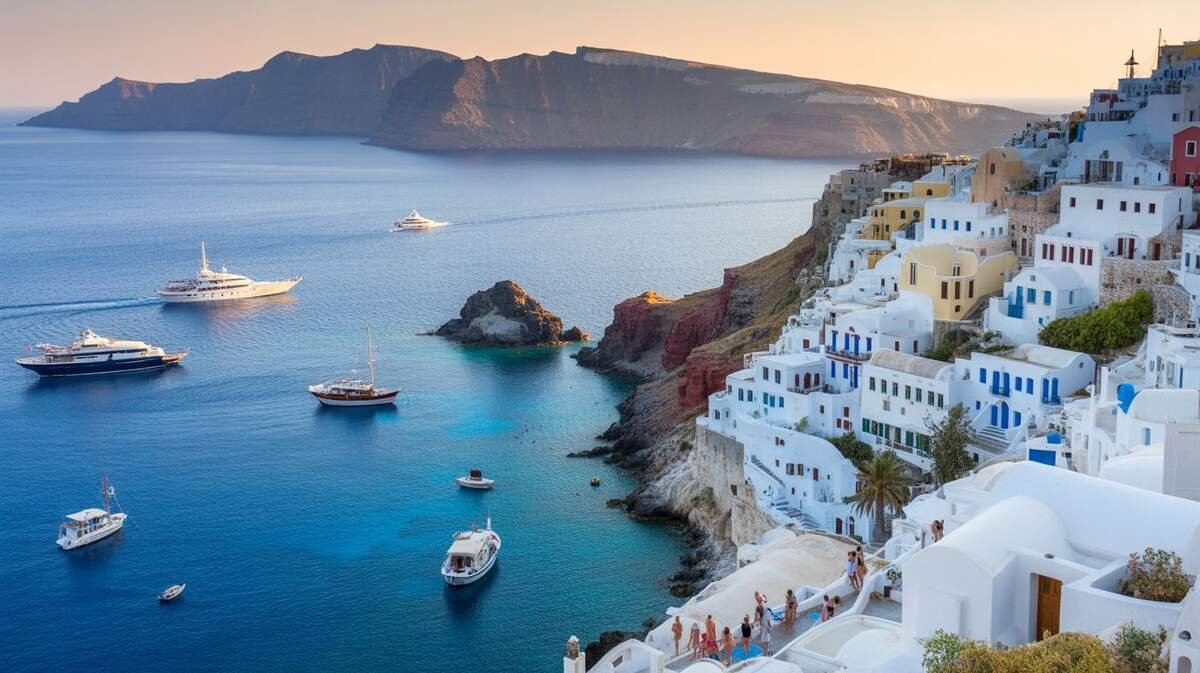
Choosing the right time to visit Greece can make or break your vacation experience. The best time to visit Greece is during the shoulder seasons specifically from May to June or September to early October. During these months, you enjoy a perfect balance: the Mediterranean weather is warm enough for swimming, but you avoid the overwhelming crowds and high hotel prices of the peak summer months.
While many travelers flock to the Aegean Islands like Santorini and Mykonos in July and August, they often face intense 30°C+ heat and long lines at famous landmarks like the Acropolis in Athens. If you prefer a more peaceful experience, traveling in late spring or early autumn allows you to enjoy glowing sunsets and calm island mornings without the “tourist energy” that can feel exhausting during high season.
Why Timing Matters for a Greece Trip
Many travelers only think about sunny weather while planning Greece vacations. However the real experience depends on much more than temperature alone. Crowds hotel prices ferry schedules and even restaurant availability change throughout the year. Visiting during the wrong season can make beautiful destinations feel stressful instead of relaxing especially around famous tourist islands during peak travel months.
Picture yourself wandering through Santorini during a quiet spring evening while cool sea air drifts through nearly empty streets. Now imagine that same place during peak summer with crowded walkways packed ferries and fully booked restaurants everywhere. The feeling changes instantly. That is exactly why choosing the best time to visit Greece can completely shape your entire travel experience.
Greece Feels Most Beautiful During These Perfect Weather Months
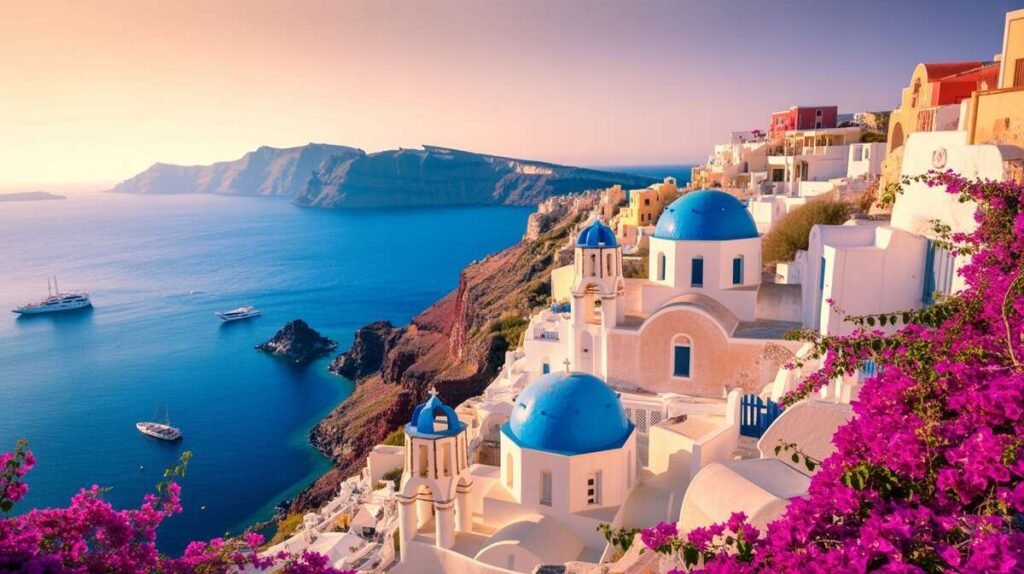
Many travelers consider May June and September the perfect months for Greece travel because the weather feels warm without becoming unbearably hot. Beaches stay enjoyable while sightseeing remains comfortable during long walks through Athens Santorini or coastal villages. These months also bring clearer skies calmer ferry rides and more relaxed tourist energy compared with the intense crowds and heat commonly experienced during peak summer travel periods.
July and August create the hottest conditions across Greece especially around southern islands and busy coastal destinations. Some travelers love that vibrant atmosphere because beaches nightlife and festivals become incredibly active during summer. However others quickly feel exhausted by crowded streets expensive hotels and strong midday heat. Travelers wanting balance often prefer late spring or early autumn because the experience feels calmer cleaner and significantly less stressful overall.
Best Time to Visit Greece for Beaches and Island Hopping
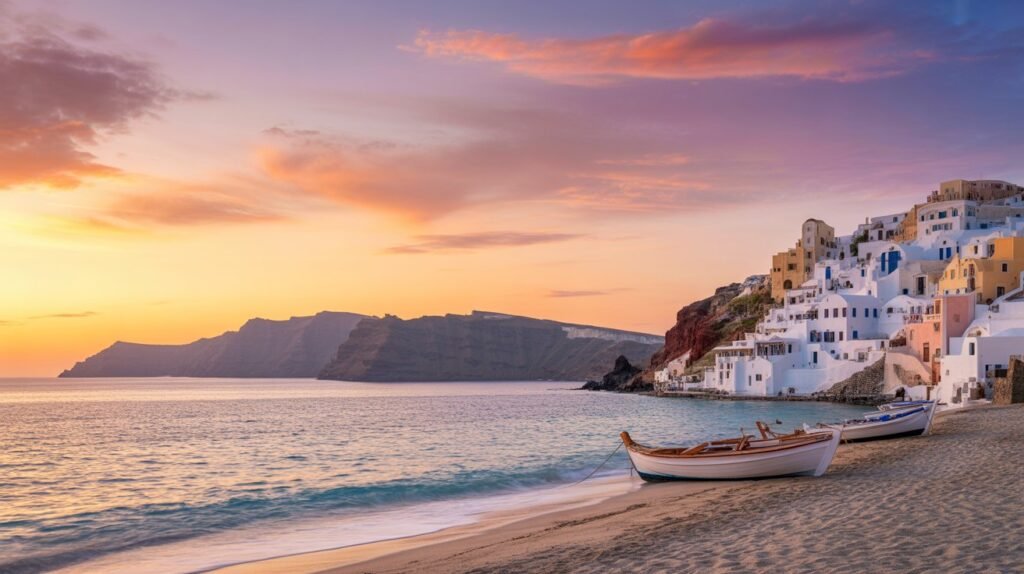
Beach lovers usually prefer traveling between June and September because the sea feels warm bright and perfect for swimming across the Greek islands. During these months ferry connections operate more frequently which makes island hopping easier between Santorini Mykonos Crete and other coastal destinations. Beach clubs seaside cafes and nightlife also become far more active during this period attracting travelers searching for energetic summer vacation experiences.
However early September often creates the sweet spot many experienced travelers quietly recommend. The water remains warm after summer while tourist crowds slowly begin fading away. Hotel prices sometimes drop slightly and famous beaches feel less chaotic compared with August. Walking beside calm seaside cafes during sunset suddenly feels more relaxing once the intense tourist rush starts disappearing across the islands and coastal towns.
Cheapest Time to Visit Greece
Traveling to Greece during winter usually saves the most money especially between November and March. Flights hotels and many tourist services become noticeably cheaper once peak summer tourism ends. Budget travelers often use this quieter season to explore Athens historical sites and local neighborhoods without spending huge amounts on accommodation transportation or dining. That affordability makes winter surprisingly attractive for slower cultural travel experiences.
However cheaper travel also comes with trade-offs travelers should understand beforehand. Some island ferries operate less frequently while smaller tourist businesses close temporarily during colder months. Beach weather also disappears completely across many areas. Still travelers interested in museums local food quieter streets and lower hotel costs often enjoy winter Greece far more than expected because the atmosphere feels authentic relaxed and less commercially crowded overall.
Best Time to Visit Greece for Honeymoon Couples

Couples planning romantic Greece vacations usually prefer late spring or early autumn because the atmosphere feels softer calmer and more intimate. Santorini sunsets become more enjoyable when streets remain quieter and restaurants feel less rushed during evening hours. Warm sea winds glowing coastal views and peaceful hotel terraces create the kind of emotional travel moments many honeymoon couples imagine while planning dream Mediterranean escapes together.
August sometimes looks perfect online but reality often feels much busier than expected. Crowded viewpoints noisy beaches and expensive luxury hotels can quickly reduce the romantic atmosphere many couples hope to experience. September and early October usually provide better balance because the weather remains beautiful while tourist pressure slowly decreases. That calmer energy often creates more meaningful memories for couples visiting Greece for special occasions or honeymoon trips.
Best Time to Visit Santorini and Mykonos

Santorini feels magical during May June and September when the island still looks lively without becoming overwhelmingly crowded. Travelers can enjoy scenic cliffside walks peaceful sunset dinners and relaxed mornings overlooking the Aegean Sea. The weather stays warm enough for beaches and sightseeing while hotel prices remain slightly more manageable compared with peak summer travel periods across the Greek islands.
Mykonos attracts a different type of energy especially during July and August when beach clubs nightlife and luxury tourism reach peak intensity. Travelers searching for vibrant parties and nonstop social activity usually love this atmosphere. However visitors wanting quieter beaches and calmer island experiences often prefer traveling during shoulder seasons instead. Those months create a smoother balance between good weather enjoyable nightlife and reduced tourist congestion across the island.
1 – Greece Weather by Season
Spring transforms Greece into a colorful and refreshing destination filled with blooming flowers cooler weather and calmer tourist activity. Temperatures usually feel comfortable for sightseeing walking tours and exploring coastal villages without intense summer heat creating exhaustion during daytime travel activities. Many photographers and couples especially enjoy spring because landscapes appear brighter greener and far less crowded than during busy peak tourism months.
Summer brings long sunny days warm sea temperatures and energetic beach culture across nearly every island destination. Autumn slowly cools the atmosphere while still keeping beaches enjoyable during early months especially across southern coastal areas. Winter creates the quietest travel season with cooler temperatures occasional rain and fewer tourist services. However cities like Athens still remain active and culturally rich even during colder months of the year.
2 – Visiting Greece in Spring
Spring creates one of the most underrated Greece travel experiences many tourists completely overlook while focusing only on summer beach vacations. Islands feel calmer flowers bloom across villages and temperatures remain pleasant enough for sightseeing without constant sweating or exhaustion. Walking through quiet coastal streets during April or May feels incredibly peaceful compared with the loud crowded atmosphere that usually arrives during peak summer tourism months.
Hotel prices during spring also remain more reasonable across many destinations which helps travelers enjoy better accommodations without overspending heavily. Beaches may feel slightly cooler for swimming initially but sightseeing conditions become almost perfect for exploring ancient ruins museums and seaside towns comfortably. Many experienced travelers quietly consider spring the best time to visit Greece because the country feels more authentic relaxed and visually beautiful overall.
3 – Visiting Greece in Summer
Summer creates the classic Greece experience most travelers imagine while planning Mediterranean vacations. Beaches stay crowded ferries operate constantly and nightlife continues late into the night across islands like Mykonos and Santorini. Bright sunshine warm sea water and energetic tourist activity dominate the atmosphere everywhere. Travelers searching for beach parties social energy and busy resort experiences often consider summer the perfect season for Greece travel adventures.
However summer also creates the highest prices biggest crowds and strongest heat waves throughout the country. Walking through Athens during midday can become exhausting especially during July and August when temperatures rise aggressively. Popular photo spots and beaches also become heavily crowded during peak travel weeks. That intensity feels exciting for some visitors while others quickly begin wishing for quieter and more peaceful surroundings instead.
4 – Visiting Greece in Autumn
Autumn creates a slower and more comfortable version of Greece many travelers unexpectedly fall in love with after visiting once. Sea temperatures remain warm during September and early October while crowds begin shrinking noticeably across major tourist islands. Restaurants beaches and coastal towns suddenly feel calmer which allows visitors to experience destinations more naturally without constant tourist pressure surrounding every attraction or scenic viewpoint throughout the day.
Couples especially enjoy autumn because sunsets feel softer evenings become more romantic and hotel terraces turn quieter after summer crowds disappear gradually. Prices sometimes decrease slightly which also helps travelers enjoy luxury experiences more affordably. Walking beside calm seaside cafes during autumn evenings creates a peaceful atmosphere difficult to find during the louder and more chaotic peak tourism season dominating Greece during midsummer travel months.
5 – Visiting Greece in Winter
Winter reveals a completely different side of Greece many tourists never experience because most travelers focus only on summer island vacations. Athens feels quieter museums become easier to explore and local neighborhoods appear more authentic without endless tourist crowds filling every street daily. Travelers interested in history culture and slower travel experiences often discover surprisingly rewarding moments during colder months across Greece.
However winter travel requires realistic expectations especially regarding beaches and island hopping activities. Some smaller islands feel very quiet while ferry schedules become more limited throughout the season. Swimming conditions also disappear entirely across many destinations. Still winter remains excellent for budget travelers and cultural explorers hoping to experience Greece beyond crowded beaches nightlife and expensive summer tourism focused mainly around coastal resort areas.
excessive afternoon heat during sightseeing activities throughout Greece.
Best Time to Visit Greece Without Crowds
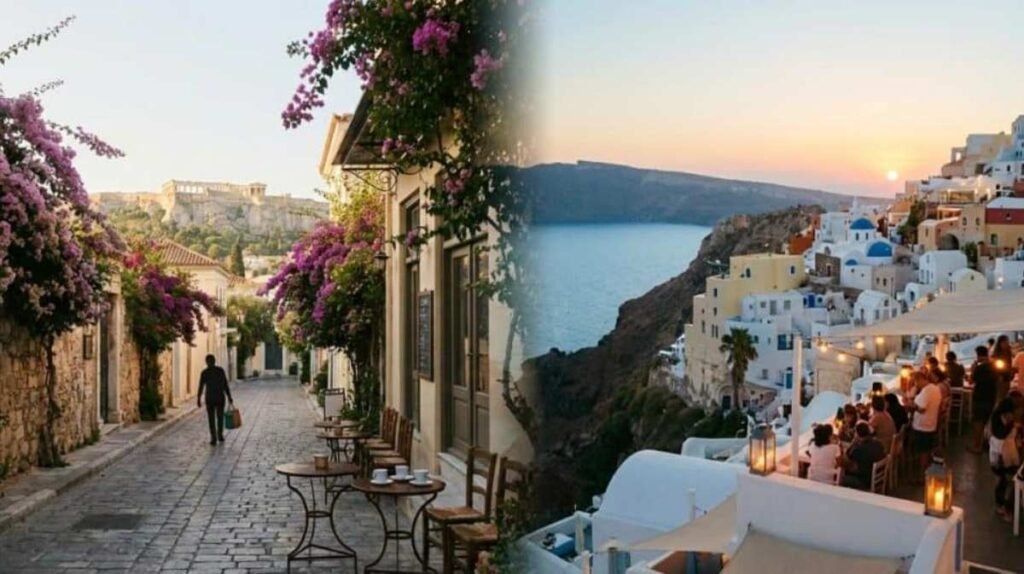
Many travelers dream about peaceful Greek islands with quiet beaches glowing sunsets and relaxed evening walks beside seaside cafes. Unfortunately peak summer tourism often creates the exact opposite experience across famous destinations like Santorini and Mykonos. Streets become packed restaurants require reservations constantly and ferry terminals feel chaotic throughout the busiest travel months especially during July and August when international tourism reaches maximum levels.
Late spring and early autumn usually provide the best balance between beautiful weather and manageable crowd levels. Travelers can still enjoy beaches ferry rides and outdoor dining without constantly fighting through overwhelming tourist congestion everywhere. Those seasons allow Greece to feel slower calmer and emotionally more immersive overall. Many experienced visitors eventually realize quieter travel periods create far stronger memories than crowded summer vacations dominated mainly by stress and long waiting times.
Travel Tips Before Visiting Greece
Planning Greece travel carefully before arrival can dramatically improve the overall experience especially during busy tourist seasons. Booking hotels ferries and popular activities earlier helps avoid expensive last-minute prices across famous destinations. Comfortable walking shoes also become essential because many Greek streets hills and historical areas involve long uneven walks especially around Santorini cliffside villages and ancient ruins throughout Athens.
Travelers should also stay hydrated carefully during summer because Mediterranean heat becomes stronger than many visitors initially expect. Sunscreen light clothing and slower afternoon schedules help prevent exhaustion during sightseeing activities. Learning a few simple Greek phrases also creates friendlier local interactions across smaller towns and villages. Small preparation steps often make Greece vacations feel smoother more comfortable and significantly more enjoyable overall from beginning to end.
Final Thoughts
Greece never feels exactly the same twice because every season changes the atmosphere completely. Some months create energetic beach vacations filled with nightlife and crowds while others reveal peaceful villages calm sunsets and slower island experiences. Choosing the best time to visit Greece depends entirely on the type of memories travelers hope to create during their journey through this beautiful Mediterranean destination.
Some visitors chase summer parties and crowded beaches while others quietly prefer romantic autumn evenings or colorful spring mornings beside the Aegean Sea. That variety makes Greece feel endlessly fascinating across different seasons and travel styles. The right timing transforms ordinary vacations into unforgettable experiences filled with beautiful landscapes emotional moments and memories travelers continue thinking about long after returning home.
FAQs
What is the best month to travel to Greece?
Many travelers consider May June and September the best months for Greece travel because the weather feels warm pleasant and less crowded compared with peak summer tourism. These months also provide comfortable sightseeing conditions calmer beaches and more balanced hotel prices across major islands and cities.
What is the cheapest month in Greece?
January and February are usually the cheapest months to visit Greece because tourism slows dramatically during winter. Flights and hotels often become much more affordable especially across Athens and mainland destinations. However some islands and seasonal tourist businesses may temporarily close during colder months.
What is the biggest health problem in Greece?
Heat-related exhaustion becomes one of the most common travel health concerns during hot summer months especially for tourists exploring crowded outdoor areas under strong Mediterranean sunlight. Travelers should drink plenty of water wear light clothing and avoid

Alexander Vance is your ultimate travel concierge. Specializing in budget-friendly luxury and off-beat destinations, he turns complex trip planning into easy, unforgettable adventures. His mission? To make sure your next passport stamp comes with a legendary story.