

With over 15 years in the hospitality industry and 2,500 nights spent in hotels across six continents, I specialize in “system-level” travel optimization and hotels travel tweaks. Having managed operations for a major global hotel brand, I possess an insider’s view of room assignments and pricing algorithms. I have successfully navigated over 50 complex rebookings during recent travel disruptions, saving my clients an average of 30% on luxury stays through data-driven hotel booking hacks.
Mastering the Art of Hotel Travel Tweaks
Most travelers accept the first room key they receive. However, expert travelers treat a hotel reservation as a starting point, not a final result. You can transform a standard stay into a high-end experience by understanding the “shadow inventory” and psychological triggers that front-desk agents use every day.
The “Suite Spot” and the T-24 Check-in Protocol
I recommend a systematic approach called the T-24 Protocol. You begin this process exactly 24 hours before arrival, just as the hotel’s “Rooms Controller” begins assigning specific units.
Instead of asking for a generic upgrade, you should target “accidental suites.” These are standard-priced rooms—often located at the corners of older buildings—that feature significantly more square footage or unique layouts. Use digital floor plans on sites like Room 77 or the hotel’s own app to identify these specific room numbers before you reach the desk.
Negotiating Hotel Rates and Loyalty Optimization
Loyalty programs offer more than just points; they provide leverage. Even without top-tier status, you can utilize Status Matching. Many mid-scale chains will instantly match the elite status of a competitor. I suggest presenting a screenshot of your highest loyalty tier to the front desk manager via email three days before arrival to secure “soft” benefits like late check-out or complimentary breakfast.
Advanced Booking Strategies and Price Protection
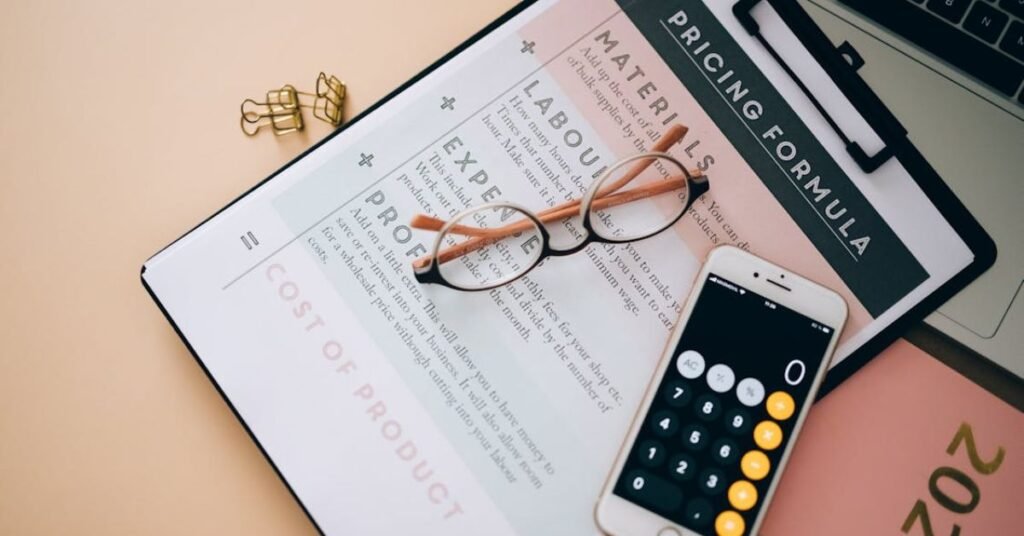
The price you see today rarely represents the lowest possible cost. By tracking the “Hotel Booking Lifecycle,” you can capitalize on price drops that occur when large groups cancel their blocks.Understanding the ‘Hotel Booking Lifecycle’ is one of the most effective hotels travel tweaks you can use to capitalize on price drops when large groups cancel their blocks.
Case Study: The $1,200 “Best Price Guarantee” Win
I recently assisted a client in securing a $1,200 refund through a “Best Price Guarantee” (BPG) claim. We identified a “Non-Refundable Delta”—a price gap between a major brand’s website and an obscure regional booking engine.
While the hotel initially denied the claim, we resubmitted it with a timestamped PDF showing the identical room type and cancellation policy. The hotel eventually matched the price and issued a $100 gift card as a penalty. This proves that persistence and documentation win the BPG game.
The Guest Compensation Matrix
When a hotel “walks” you (denies your stay due to overbooking), you hold the power. Use the table below to demand fair compensation based on industry standards.
| Issue | Recommended Compensation |
| Room Not Ready (2+ hours) | Complimentary drink vouchers + $25 F&B credit. |
| “Walked” to another hotel | Free transport + first night free + 20k Loyalty Points. |
| Wi-Fi/HVAC Failure | 15% discount on the nightly rate or waived resort fees. |
| Lost Reservation | Immediate upgrade to the best available suite + manager’s credit. |
Proactive Travel Tweaks: From Check-In to Check-Out
Your strategy continues even after you cross the threshold of your room.
The 60-Second Room Inspection
Before you unpack, perform a rapid-fire sweep of the environment. Check the mattress seams for pests, test the Wi-Fi signal strength near the desk, and ensure the deadbolt functions correctly. If you find a deficiency, request a new room immediately. Once you unpack, your leverage for a room change drops significantly.
Bypassing Hidden Fees and Resort Charges
Many hotels tuck “resort fees” into the fine print. You can often negotiate these away if you demonstrate that you did not use the included amenities (like the gym or the business center). Always ask the clerk at checkout: “Can you remove the resort fee as a gesture of goodwill since I didn’t utilize those specific facilities?”
Unlocking “Shadow” Inventory and Last-Minute Inventory Flips

Most travelers only see what Expedia or Booking.com displays, but hotels rarely release 100% of their rooms to third-party sites. I call the remaining rooms “Shadow Inventory.” Hotels hold these rooms for high-tier loyalty members or to account for maintenance issues. To access this hidden stock, call the hotel’s local front desk—not the national reservation line—after 6:00 PM on the night before your arrival. At this hour, the “cancellation wave” peaks as travelers finalize their plans. You can often snag a premium room that “didn’t exist” online an hour earlier by simply asking the on-site night manager for their most recent cancellations.
The Psychology of Room Assignment: The “Friendly Expert” Edge
Front desk agents assign hundreds of rooms a day, often defaulting to the easiest path. You can influence this process by understanding Room Assignment Psychology.
Instead of demanding an upgrade, position yourself as a “specific needs” traveler. Use phrases like, “I am specifically looking for a room on a high floor away from the elevator for a quiet work environment.” This request forces the agent to look at the full digital floor plan rather than just clicking the next available room. Once they open that map, they often see unassigned “accidental suites” or corner rooms and will slot you into them to meet your “quiet” requirement.“By positioning yourself as a ‘specific needs’ traveler, you are applying one of the most powerful hotels travel tweaks that forces the agent to look at the full digital floor plan.
Status Matching: The Shortcut to Luxury Benefits
You do not need to stay 50 nights a year at a single chain to enjoy elite perks. Many hotel brands offer Status Matching or “Status Challenges” to steal loyal customers from competitors.
If you hold mid-tier status with one brand (or even a specific credit card), email the loyalty manager of a rival chain before you book. Attach a screenshot of your current status and ask: “I am considering moving my stays to your brand; do you offer a status match or a fast-track challenge?” This simple “tweak” often grants you immediate access to executive lounges, free high-speed Wi-Fi, and priority upgrades before you even spend a dollar at the new property.
Conclusion
Successful travel requires a shift in mindset from a passive consumer to an active strategist. By implementing the T-24 Protocol, monitoring the Non-Refundable Delta, and using a Compensation Matrix, you ensure that every hotel stay meets your expectations. Start treating your next booking as a negotiation, and you will unlock luxury experiences that most travelers never see.By implementing the T-24 Protocol and consistently using these hotels travel tweaks, you ensure that every hotel stay meets your expectations and unlocks luxury experiences.
FAQs
What is the best time to book hotels for the lowest rates?
Data suggests that booking 15 days out often yields the best balance of price and availability. However, check prices again exactly 48 hours before arrival, as this is the standard cancellation deadline for most travelers, which often triggers a sudden inventory dump.
How do I find “shadow” inventory?
Shadow inventory refers to rooms that hotels hold back from third-party sites like Expedia. Always call the hotel’s local desk directly (not the 1-800 reservation line) and ask if they have “internal-only” rooms available due to recent cancellations.
Do early check-in strategies actually work?
Yes. If you arrive early, do not just ask if the room is ready. Ask if any room in your category is ready. If not, offer to accept a “downgrade” in floor level in exchange for immediate access; often, the clerk will find a better room just to settle you quickly.