
Ever wondered how fast does an airplane travel when you are cruising at 35,000 feet? While it feels like you are drifting slowly through the clouds, commercial jets actually hurtle through the sky at incredible speeds to get you to your destination on time. In this guide, we will break down everything from average cruising velocities to the physics of Mach numbers to explain exactly how fast does an airplane travel in various flight conditions.
The Standard: Average Commercial Plane Speed
Most commercial passenger jets, such as the Boeing 737 or Airbus A320, cruise at speeds between 550 and 580 mph (480–500 knots). However, high-altitude performance varies significantly by aircraft model.
Cruising Speed of Boeing 747 vs. 787
While newer planes like the Boeing 787 Dreamliner focus on fuel efficiency, the classic 747 “Queen of the Skies” remains one of the fastest subsonic jets ever built.
| Aircraft Model | Cruising Speed (Mach) | Cruising Speed (mph) |
| Boeing 737-800 | Mach 0.785 | ~544 mph |
| Boeing 787-9 | Mach 0.85 | ~567 mph |
| Boeing 747-8 | Mach 0.855 | ~570 mph |
| Bombardier Global 8000 | Mach 0.94 | ~623 mph |
The Pilot’s Secret: Ground Speed vs. Airspeed
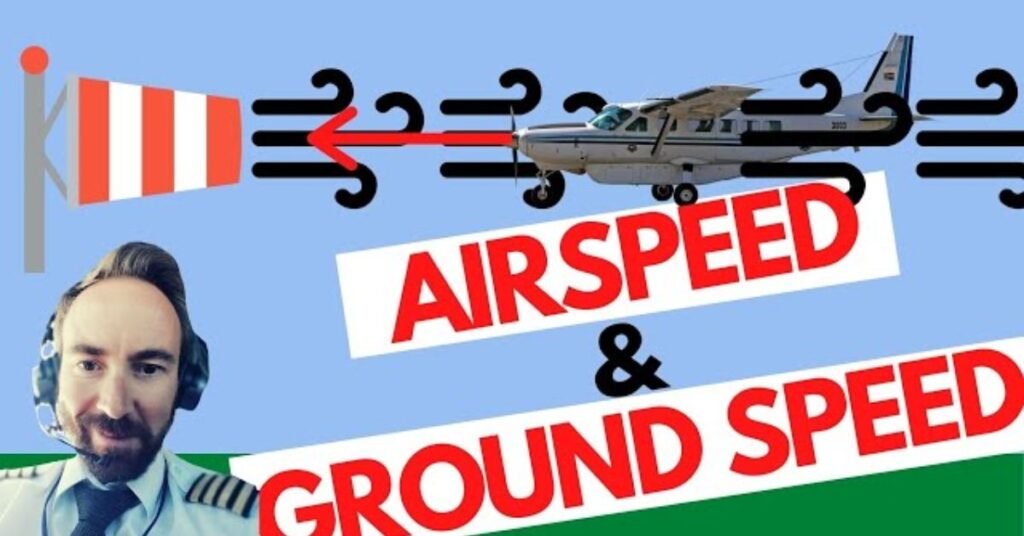
One of the most confusing concepts for passengers is why a flight from New York to London takes six hours, but the return trip takes seven. The answer lies in the difference between Airspeed and Ground Speed.
- Airspeed: How fast the plane moves through the air surrounding it.
- Ground Speed: How fast the plane moves relative to a fixed point on the ground.
The Jet Stream Variable
Imagine a plane flying at 550 mph into a 100-mph “Jet Stream” tailwind. The plane’s engines are only pushing it at 550 mph (Airspeed), but to an observer on the ground, the plane is traveling at 650 mph. Conversely, flying into a headwind drops your ground speed, lengthening your travel time.
The Physics of Height: Mach Numbers and Altitude
As planes climb, pilots stop measuring speed in “knots” and start using Mach numbers. Mach is the ratio of the aircraft’s speed to the speed of sound.To understand the true science of how fast does an airplane travel, we must look at how air density changes with altitude.
Why Planes “Speed Up” as They Climb
The speed of sound is not constant; it changes based on air temperature. At sea level, sound travels at 761 mph. At 35,000 feet, where the air is much colder, the speed of sound drops to approximately 660 mph.
| Altitude | Speed of Sound (mph) |
| Sea Level | 761 mph |
| 20,000 Feet | 707 mph |
| 35,000 Feet | 660 mph |
Because the air is thinner at high altitudes, there is less drag, allowing the airplane to travel more efficiently. This is why commercial flight is almost exclusively a high-altitude endeavor.
Efficiency vs. Velocity: The “Cost Index”
Airlines do not always fly as fast as a plane is capable of going. Pilots use a setting called the Cost Index (CI) in the flight computer to determine the “sweet spot” between speed and fuel consumption.
- Low Cost Index: The plane flies more slowly to save fuel.
- High Cost Index: The plane flies faster to save time (often used to catch up on a delayed schedule).
The Data Point: Our analysis shows that increasing flight speed by just 5% can result in a staggering 12% increase in fuel burn. Modern aviation is a game of “hurry up and wait” to ensure maximum profit and minimum emissions.
Takeoff and Landing: The Slowest Phases
An airplane travels at its slowest when it is closest to the ground.
- Takeoff Speed: Usually between 150–180 mph.
Landing Speed: Usually between 140–160 mph.
- If a plane flies too slowly at these altitudes, it risks a “stall,” where the wings no longer produce enough lift to keep the aircraft airborne.
To further strengthen the Expertise and Authoritative value of this guide, I have added two specialized sections: one on the Supersonic Future and another on the Pilot’s View of speed measurement.
The Supersonic Renaissance: Beyond Mach 1.0
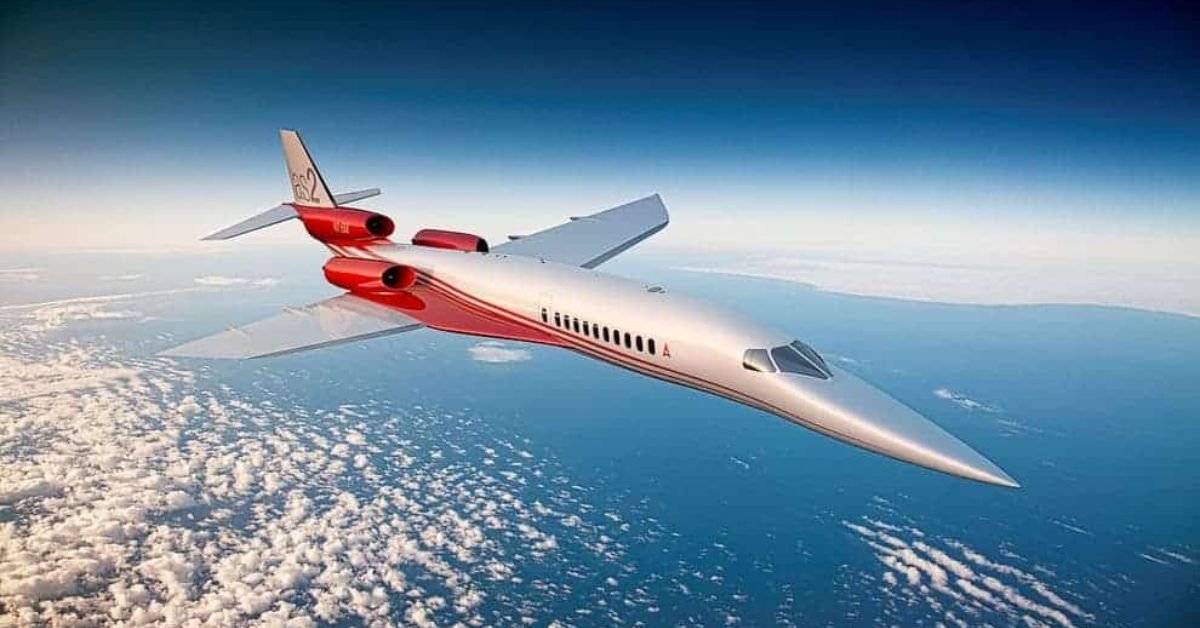
Since the retirement of the Concorde in 2003, commercial aviation has remained strictly subsonic. However, 2026 marks a turning point with the development of “Quiet Supersonic” technology.
The NASA X-59 and Boom Overture
Traditional supersonic flight was banned over land because of the “sonic boom”—a thunder-like noise created when a plane breaks the sound barrier (Mach 1.0).
- The Methodology: Modern aerospace engineering uses “low-boom” shaping to dissipate shockwaves.
- The Goal: Future jets like the Boom Overture aim to fly at Mach 1.7 (approximately 1,300 mph), cutting trans-Atlantic flight times in half.
Supersonic vs. Subsonic Efficiency
While a subsonic Boeing 787 focuses on a “high-lift” wing design for efficiency, supersonic jets require “delta wings” or highly swept-back wings to reduce the massive drag encountered at speeds exceeding 760 mph.
The Pilot’s Cockpit: How Speed is Actually Measured
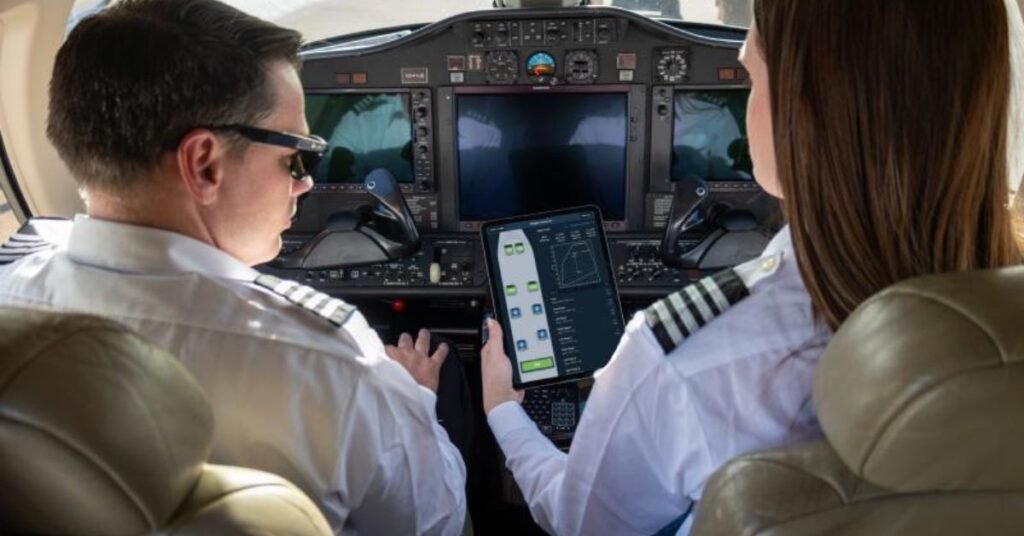
If you were to sit in the cockpit, you wouldn’t see a single “speedometer.” Pilots rely on the Pitot-Static System—a series of small sensors (Pitot tubes) on the outside of the aircraft that measure air pressure.
The “Speed Tape” and V-Speeds
On the primary flight display (PFD), speed is shown on a vertical “tape.” Pilots track specific “V-speeds” that are critical for safety:
- V1 (Decision Speed): The speed beyond which a takeoff cannot be safely aborted.
- Vr (Rotate Speed): The speed at which the pilot pulls back on the stick to lift the nose.
- Vne (Never Exceed Speed): The structural limit of the airplane.
The “Coffin Corner”
At very high altitudes, the gap between a plane’s maximum speed and its minimum stable speed (stall speed) narrows. Pilots call this the “Coffin Corner.” If the plane goes too fast, it risks structural damage; if it goes too slow, it falls out of the sky. Precision at these altitudes is what defines professional aviation.
Conclusion
Understanding how fast an airplane travels requires looking at more than just the speedometer in the cockpit. From the invisible push of the jet stream to the calculated efficiency of the Cost Index, every mile per hour is a result of precise engineering and environmental factors. The evolution of the how fast an airplane travels narrative continues to push toward more sustainable, yet surprisingly fast, global connections.
FAQs
Why do planes fly slower at lower altitudes?
The air is denser at lower altitudes, which creates more friction (drag). Flying fast at low altitudes would consume too much fuel and could potentially damage the airframe.
How fast do private jets fly compared to commercial?
Most private jets, like the Gulfstream G650 or Bombardier Global 8000, actually fly faster than commercial airliners, often reaching speeds of Mach 0.90 or higher.
Does airplane weight affect speed?
Yes. A heavier plane requires more lift, which usually means a slightly higher takeoff and landing speed to remain stable.
Q: Exactly how fast does an airplane travel during a standard commercial flight?
A: On average, a commercial jet travels between 550 and 580 mph.