
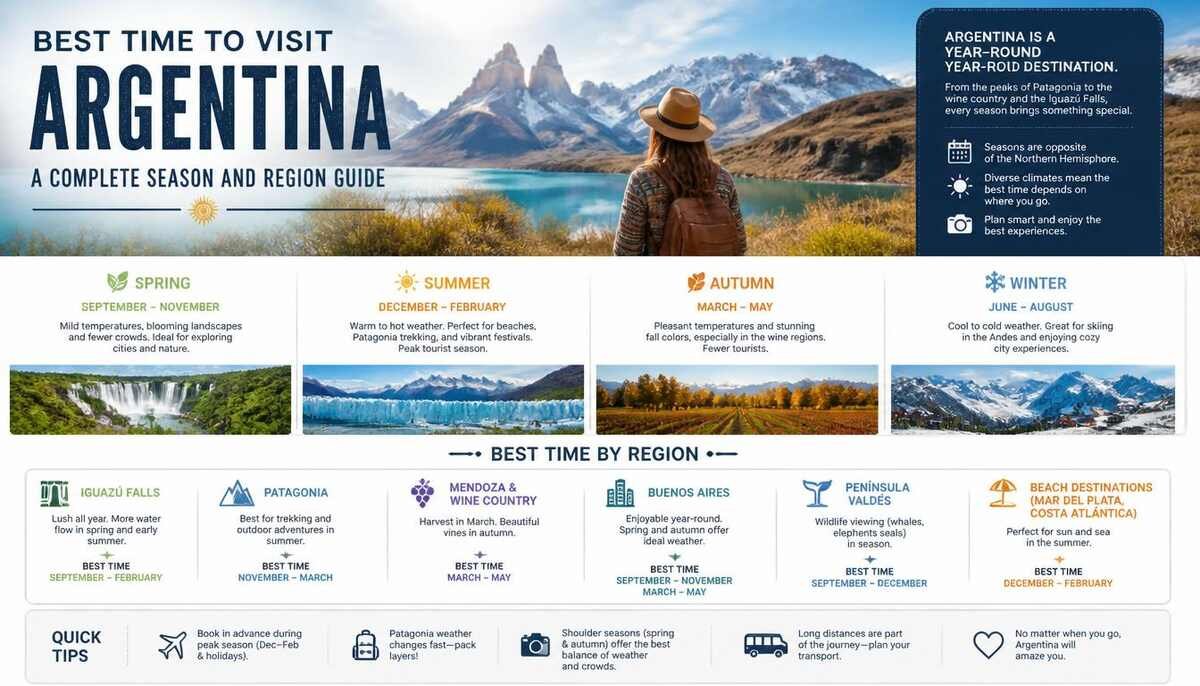
Argentina does not have one best time to visit. It has several, and which one is right for you depends entirely on where you are going and what you want to do when you get there.
A trip built around Patagonian glaciers and hiking trails has a completely different ideal season from a Buenos Aires city break, a Mendoza wine harvest, or a hiking adventure in the Andes. Get the timing right and Argentina rewards you with extraordinary experiences.
This guide covers every season, every major region, and every trip type so you can match your travel dates to the exact experience you want, whether you are combining Argentina with Chile, Brazil, or Uruguay, or focusing on a single destination like Patagonia or Buenos Aires.
Understanding Argentina’s Seasons

The single most important thing to understand before planning an Argentina trip is that the country is in the Southern Hemisphere, which means its seasons are the opposite of those in Europe and North America. When it is winter in London or New York, it is summer in Buenos Aires and Patagonia. When it is summer back home, Argentina is heading into its winter months.
Argentina is also one of the largest countries in the world, spanning roughly 3,500 kilometres from north to south, which means the climate varies dramatically between regions. The tropical north around Iguazú Falls experiences warm, humid weather year-round, while Patagonia in the south is windy, unpredictable, and can experience four seasons in a single afternoon. Understanding this regional variation is the foundation of good Argentina trip planning.
Best Time to Visit Argentina Overall
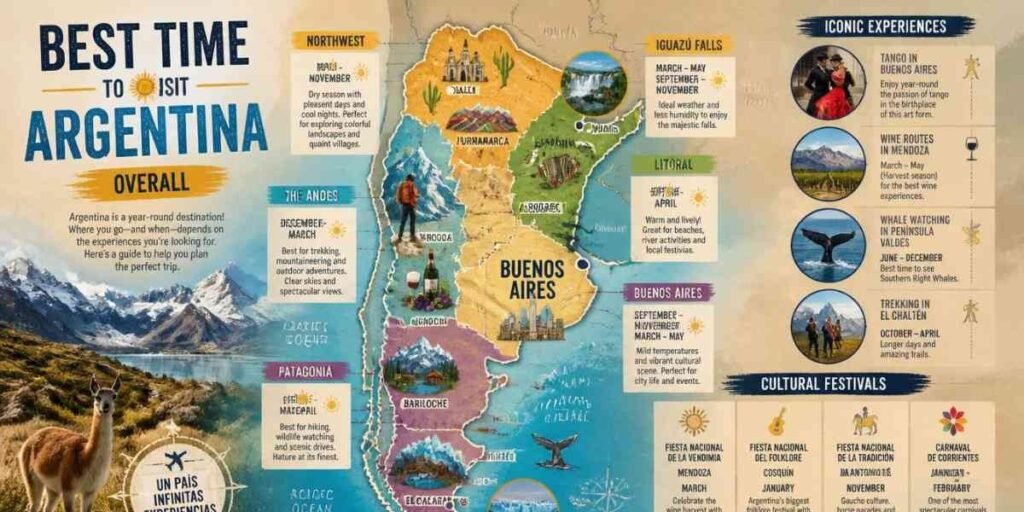
For most first-time visitors, the shoulder seasons of March to May and September to November offer the strongest overall experience. These months deliver comfortable temperatures, manageable crowds, and lower prices than peak season across the country’s major destinations.
March to April is arguably the single most atmospheric time in Argentina for a multi-region trip. Mendoza is in full harvest season, Buenos Aires cools to a perfect city-exploring temperature, autumn colours appear in Patagonia’s beech forests, and Iguazú Falls carries some of its highest water volumes. September to November brings spring to Buenos Aires with jacaranda trees in full purple bloom, wildflowers across Patagonia, and whale watching opportunities off the Valdés Peninsula, all before the peak summer crowds arrive.
Best Time to Visit Argentina for Weather
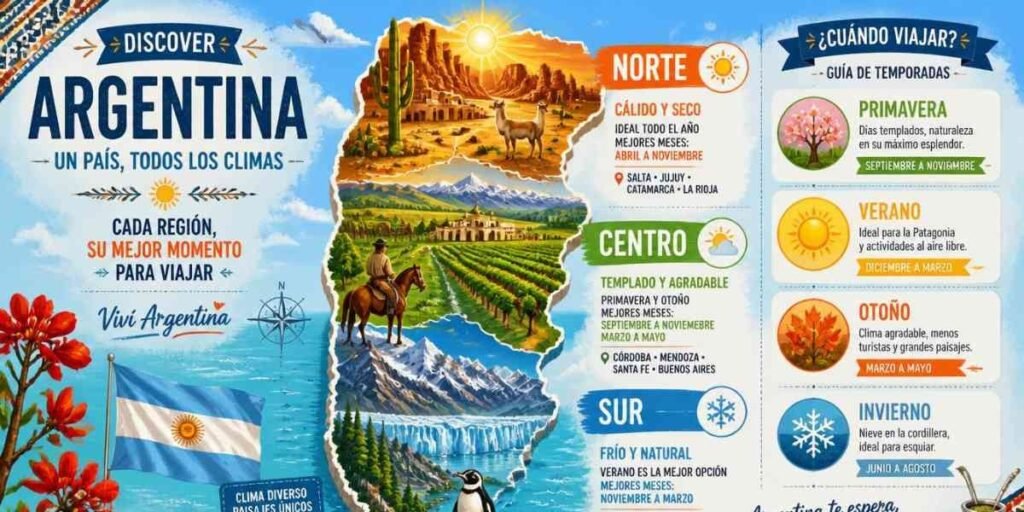
Argentina’s most reliably comfortable weather across the broadest number of regions falls between October and April, which covers the country’s spring through early autumn. Buenos Aires sits at around 25 to 30 degrees Celsius through December and January, while Patagonia reaches its warmest point of around 15 to 21 degrees during the same months.
The one important caveat is that summer in Buenos Aires can be hot and humid in January and February, with temperatures occasionally exceeding 35 degrees Celsius and a sticky heat that makes city sightseeing genuinely uncomfortable. Travellers who prioritise comfortable weather for city exploration tend to prefer October and November or March and April, when temperatures in Buenos Aires sit in the mid-twenties with lower humidity.
Best Time to Visit Argentina for Patagonia
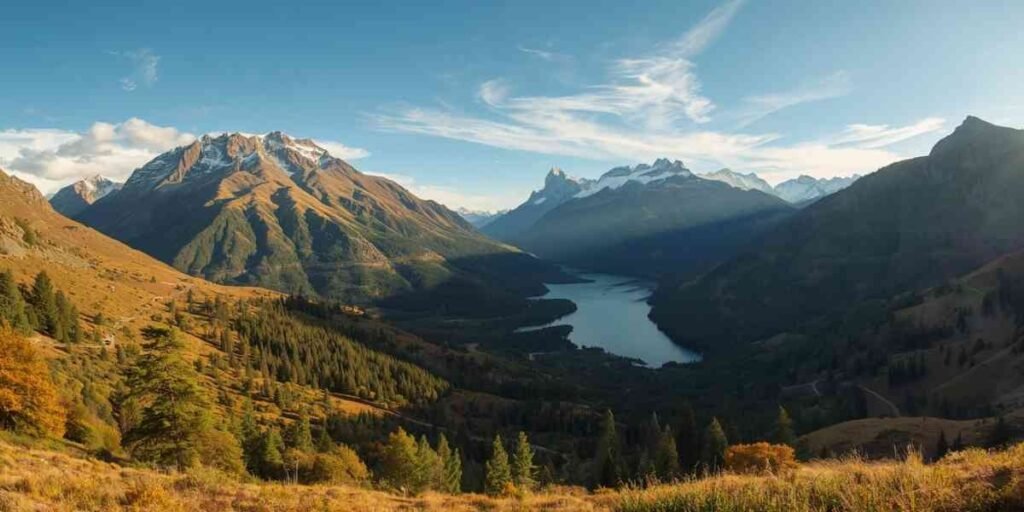
Patagonia has the most specific seasonal requirements of any region in Argentina. The national parks, trekking trails, and glacier access routes are fully operational only between October and April, with December to February representing the peak hiking season when days are longest and temperatures most predictable.
December through February is peak season in Patagonia for good reason. The Perito Moreno Glacier is fully accessible, the W Trek and other major trails in the Fitzroy area near El Chaltén are open, and Tierra del Fuego experiences its most moderate weather. Daylight extends to seventeen or more hours in December, giving trekkers an extraordinary amount of time outdoors.
The trade-off is that this period is the most expensive and most crowded, and accommodation at popular lodges books out months in advance.
October and November offer an excellent alternative, with spring flowers across Patagonia, most trails open, and significantly lower prices and crowd levels than the peak December to February window. March is worth considering for the autumn colours that spread across the Patagonian beech forest in shades of copper, orange, and gold, creating one of the most striking landscape photographs available anywhere in South America. April sees weather deteriorating in the far south, and by May most trekking infrastructure begins to close down for winter.
Best Time to Visit Argentina for Hiking
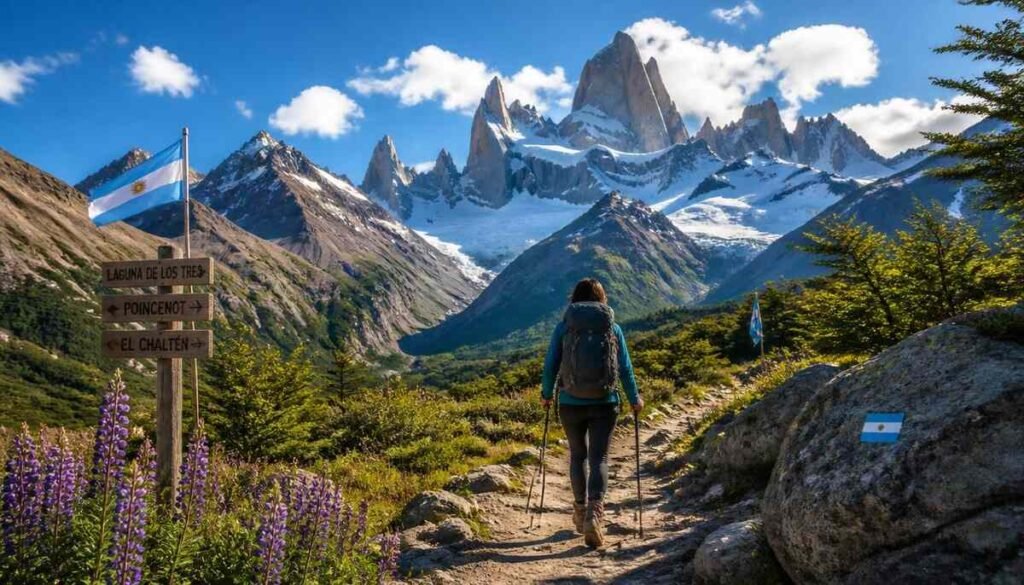
El Chaltén in Los Glaciares National Park, often called Argentina’s trekking capital, is at its best between November and March. The trails around Mount Fitzroy and Cerro Torre are genuinely spectacular year-round in terms of scenery, but winter weather makes many routes dangerous and some paths officially closed. For the Iguazú Falls area in the north, hiking and trail access is possible year-round, with lower water levels in the August to November dry season making some of the closer viewing platforms accessible that are otherwise closed in rainy season.
Best Time to Visit Argentina and Chile
Argentina and Chile share Patagonia geographically, making them a natural pairing for a combined trip. The ideal timing for both countries together is November through March, which covers summer in the southern hemisphere and gives full access to the main attractions in both countries.
For a combined trip that also includes Buenos Aires and Santiago, October to November or March to April gives the best balance. Both cities enjoy comfortable temperatures during these shoulder months, and the southern parks are either opening for spring or still accessible in early autumn before weather deteriorates. Skipping January if crowds are a concern makes good sense, as this is peak season for both countries simultaneously and the most popular lodges book out far in advance.
Best Time to Visit Argentina and Brazil
Argentina and Brazil combine most naturally around the Iguazú Falls experience, where the falls straddle the border between the two countries.
For the falls specifically, the rainy season from November through March produces the highest water volumes and most dramatic views, though the dry season months of April through September offer clearer paths and fewer flooded walkways.
If combining Argentina with Rio de Janeiro, São Paulo, or other Brazilian coastal and city destinations, timing needs to account for Brazil’s distinct climate as well. June through September is generally Brazil’s dry and most comfortable season, which sits in Argentina’s winter, creating a travel window that works well for Buenos Aires as a city destination but less well for Patagonia hiking. Travellers combining both countries often split the trip in autumn or spring to balance the two countries’ different seasonal strengths.
Argentina Month by Month
January and February bring Argentina’s summer peak. Patagonia is at its most accessible and crowded. Buenos Aires is hot and humid but lively. Iguazú Falls carries significant water volume. Prices and tourist numbers are at their highest.
March marks the start of autumn and is the single best month for Mendoza’s wine harvest season. The Fiesta Nacional de la Vendimia harvest festival draws tens of thousands of visitors to the vineyards. Buenos Aires becomes more comfortable and autumn colours begin appearing in the Lake District.
April sees temperatures cooling pleasantly across the country. Patagonia’s beech forests turn to copper and gold. Buenos Aires is at its most livable. Most Patagonian infrastructure remains open through mid-April before starting to wind down.
May brings lower temperatures and the start of true off-season conditions in the south. Good for Salta, the Puna, and Ibera Wetlands. Buenos Aires evenings turn cool.
June and July are Argentina’s winter months. Buenos Aires ski season begins in Bariloche. Southern right whales arrive at Valdés Peninsula in late June. July and August are good months to visit Buenos Aires for mild city exploration without summer crowds.
August sees slightly warmer daytime temperatures in Buenos Aires and Mendoza. The Buenos Aires Tango Festival runs through August, offering free events across the city.
September and October mark the start of spring. Jacaranda trees bloom in Buenos Aires. Wildflowers spread across Patagonia. Whale and penguin watching at Valdés Peninsula is excellent from September through November.
November is an outstanding month across most of the country. Buenos Aires combines warm weather with pre-peak energy. Patagonia hiking season opens and the W Trek becomes accessible. Iguazú Falls benefits from high water levels without full peak season pressure.
December opens summer across the country. Patagonia is at its peak with seventeen hours of daylight. Festive season in late December brings Argentine families on vacation, making December the most crowded month in the south.
Final Thoughts
Argentina’s size and geographic diversity means that no single month is perfect for every traveller, and understanding this is actually what makes planning an Argentina trip genuinely interesting.
The country rewards those who think about timing in terms of what they want to experience rather than simply looking for the month with the best average temperature.
FAQs About the Best Time to Visit Argentina
What is the overall best time to visit Argentina?
March to April and October to November are the best overall months for most travellers. These shoulder seasons offer comfortable weather, manageable crowds, good access to Buenos Aires, Mendoza, and parts of Patagonia, and lower prices than the December to February peak.
When is the best time to visit Patagonia specifically?
December to February is the best time for Patagonian hiking and glacier access, with the longest days and most reliable trail conditions. October and November offer a strong alternative with fewer crowds and lower prices, while March delivers spectacular autumn colours.

Alexander Vance is your ultimate travel concierge. Specializing in budget-friendly luxury and off-beat destinations, he turns complex trip planning into easy, unforgettable adventures. His mission? To make sure your next passport stamp comes with a legendary story.